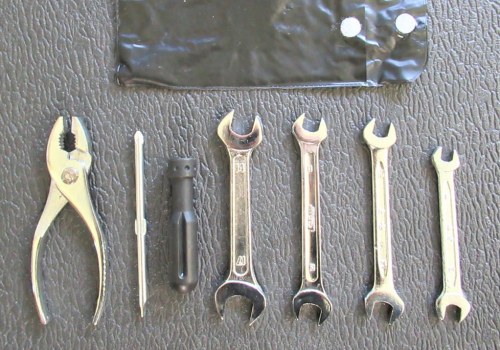
When it comes to motorcycle and snowmobile care, the type of oil you choose plays a crucial role in ensuring optimal performance and longevity of your vehicle. Oil is not just a lubricant; it serves as a vital component that protects the engine from wear and tear, reduces friction, and helps maintain the overall efficiency of the machine. Using the right oil can mean the difference between a smooth ride and costly repairs, making it essential for any enthusiast to understand its importance. In both motorcycles and snowmobiles, engines operate under extreme conditions, often facing high temperatures and varying loads. This is where the right oil comes into play.
High-quality oils are formulated to withstand these challenges, providing superior protection against engine breakdowns and enhancing fuel efficiency. Furthermore, they help in keeping the engine clean by preventing sludge buildup, which can lead to serious mechanical issues over time. As you delve deeper into the specifics of motorcycle and snowmobile care, you'll discover that not all oils are created equal. Factors such as viscosity, additives, and whether the oil is synthetic or conventional can significantly impact performance. Understanding these elements will empower you to make informed decisions that not only enhance your riding experience but also extend the life of your vehicle.
Types of Oils for Motorcycles and Snowmobiles
When it comes to motorcycle & snowmobile care, selecting the right type of oil is crucial for optimal performance and longevity of your vehicle.There are three primary types of oils used in motorcycles and snowmobiles: synthentic, semi-synthetic, and mineral oils. Each type has its own unique characteristics and benefits.
- Synthetic Oils: These oils are engineered from chemical compounds, providing superior performance in extreme conditions. They offer excellent lubrication, reduced engine wear, and improved fuel efficiency. Synthetic oils are particularly beneficial for high-performance motorcycles and snowmobiles that operate in harsh environments.
- Semi-Synthetic Oils: A blend of synthetic and mineral oils, semi-synthetic oils provide a balance between cost and performance.
They offer better protection than mineral oils while being more affordable than full synthetics. This type is ideal for riders who want enhanced performance without breaking the bank.
- Mineral Oils: Derived from refining crude oil, mineral oils are the most traditional option. While they are generally less expensive, they may not provide the same level of protection or performance as synthetic options. Mineral oils are suitable for older models or less demanding riding conditions.
Look for oils that meet the specifications set by manufacturers, such as API (American Petroleum Institute) ratings or JASO (Japanese Automotive Standards Organization) standards. These classifications ensure that the oil meets specific performance criteria, providing peace of mind that you are using a product designed for your vehicle's needs.Ultimately, the choice of oil will depend on your specific riding style, climate conditions, and the manufacturer's recommendations. Regularly checking and changing your oil is a vital part of motorcycle & snowmobile care, ensuring that your engine runs smoothly and efficiently.
Key Factors to Consider When Choosing Oil
When it comes to choosing oil for your motorcycle or snowmobile, several key factors must be considered to ensure optimal performance and longevity of your vehicle.Oil Viscosity
The viscosity of the oil is one of the most critical factors. It refers to the oil's thickness and its ability to flow at different temperatures.Most oils are rated using the Society of Automotive Engineers (SAE) system, which includes numbers like 10W-40 or 5W-30. The first number indicates the oil's viscosity at low temperatures (the 'W' stands for winter), while the second number represents its viscosity at high temperatures. For motorcycles and snowmobiles, it’s essential to select an oil that matches the manufacturer's specifications for viscosity to ensure proper lubrication and engine protection.
Climate Considerations
Your local climate plays a significant role in determining the right oil for your vehicle. In colder climates, a lower viscosity oil (like 0W or 5W) is recommended as it flows better during cold starts.Conversely, in hotter climates, a higher viscosity oil (like 20W or 30W) may be more suitable to maintain adequate lubrication under high temperatures. Always check your owner's manual for specific recommendations based on your operating environment.
Manufacturer Recommendations
Another crucial aspect is adhering to the manufacturer's recommendations. Each motorcycle and snowmobile brand has specific oil requirements based on engine design and performance characteristics. Using oils that meet or exceed these specifications ensures that you maintain warranty coverage and achieve optimal performance.Look for oils that are labeled as meeting API (American Petroleum Institute) standards or JASO (Japanese Automotive Standards Organization) ratings, especially for motorcycles.
- Check viscosity ratings: Ensure they match your vehicle's needs.
- Consider climate: Choose oil based on local temperature conditions.
- Follow manufacturer guidelines: Always refer to your owner's manual.
Manufacturer Recommendations: What You Need to Know
When it comes to maintaining your motorcycle or snowmobile, adhering to manufacturer recommendations for oil types and grades is crucial. Each manufacturer designs their engines with specific tolerances and requirements, which means that using the right oil can significantly impact performance and longevity.Motorcycle Manufacturer Oil Recommendations
Most motorcycle manufacturers provide detailed specifications regarding the type of oil that should be used. This includes the viscosity grade, such as 10W-40 or 20W-50, and whether to use synthetic or conventional oil. For instance, brands like Harley-Davidson often recommend their own line of oils that are formulated to meet the unique needs of their engines.Similarly, Honda and Kawasaki have specific oil recommendations that cater to their respective models.
- Synthetic Oils: Many modern motorcycles benefit from synthetic oils, which offer better protection at high temperatures and improved performance in extreme conditions.
- Conventional Oils: Some older models may still perform best with conventional oils, so always check the owner’s manual.
Snowmobile Manufacturer Oil Recommendations
Just like motorcycles, snowmobiles also have specific oil requirements set by their manufacturers. For example, Polaris, Ski-Doo, and Arctic Cat all recommend oils that are specially formulated for their engines. Using the wrong type of oil can lead to engine wear and decreased performance.- Two-Stroke vs. Four-Stroke: Snowmobiles typically use either two-stroke or four-stroke engines, and each requires a different type of oil.
Two-stroke engines often need a mix of oil and fuel, while four-stroke engines require a dedicated engine oil.
- Additives: Some manufacturers include specific additives in their recommended oils to enhance performance and protect against wear.
Common Mistakes to Avoid When Selecting Oil
When it comes to motorcycle & snowmobile care, selecting the right oil is crucial for optimal performance and longevity. However, many riders make common mistakes that can lead to costly repairs or diminished vehicle efficiency. Here are some pitfalls to avoid:- Ignoring Manufacturer Specifications: One of the most significant errors is not adhering to the manufacturer’s recommendations.
Each motorcycle and snowmobile has specific oil requirements, including viscosity and type (synthetic vs. conventional). Always consult your owner’s manual to ensure compliance.
- Choosing the Wrong Viscosity: Oil viscosity affects how well the oil flows at different temperatures. Using oil with an incorrect viscosity can lead to inadequate lubrication, especially in extreme conditions.
For instance, using a winter-grade oil in summer can cause it to thin out too quickly.
- Overlooking Additives: Some riders may not consider the importance of additives in their oil. Additives can enhance performance by reducing friction, preventing corrosion, and improving thermal stability. Ensure that the oil you choose contains the necessary additives for your specific riding conditions.
- Neglecting Oil Change Intervals: Even with the right oil, failing to change it regularly can lead to engine wear and tear. Follow the recommended oil change intervals based on your riding habits and conditions.
- Using Automotive Oil: While it may seem convenient, using automotive oil in motorcycles or snowmobiles can be detrimental.
Automotive oils lack certain additives that are essential for wet clutches found in many motorcycles, which can lead to slippage and poor performance.
FAQs About Motorcycle and Snowmobile Oil Selection
When it comes to maintaining your motorcycle or snowmobile, selecting the right oil is crucial for optimal performance and longevity. Here are some frequently asked questions that can help clarify your oil selection process.What type of oil should I use for my motorcycle?
For motorcycles, the recommended oil type typically depends on the engine type. Most modern motorcycles require synthetic oil, which offers superior protection and performance under extreme conditions. However, some older models may perform better with mineral oil.Always refer to your owner’s manual for specific recommendations.
Can I use car oil in my motorcycle?
While it might be tempting to use car oil in your motorcycle, it is generally not advisable. Car oils often lack the necessary additives that motorcycles need, particularly those designed for wet clutches. Using motorcycle-specific oil ensures that your bike runs smoothly and efficiently.What about snowmobile oil?
For snowmobiles, the choice of oil is equally important. Most manufacturers recommend using two-stroke oil for two-stroke engines and four-stroke oil for four-stroke engines.It's essential to choose an oil that meets the specifications outlined in your snowmobile's manual to avoid engine damage.
How often should I change the oil in my motorcycle or snowmobile?
The frequency of oil changes can vary based on usage and manufacturer recommendations. Generally, it's advisable to change the oil every 3,000 to 5,000 miles for motorcycles and at least once a season for snowmobiles. Regular checks can help you maintain optimal performance.Are there any signs that indicate I need to change my oil?
- Dark or dirty oil: If the oil appears dark or gritty, it’s time for a change.
- Noisy engine: Unusual noises can indicate insufficient lubrication.
- Oil leaks: Any visible leaks should be addressed immediately.
Conclusion: Making an Informed Choice for Your Ride
In conclusion, selecting the right oil for your motorcycle and snowmobile is crucial for ensuring optimal performance and longevity of your vehicle. Throughout this article, we have explored various types of oils, including synthesized oils, mineral oils, and semi-synthetic options, each with its own set of benefits tailored to different riding conditions and engine requirements.When considering oil for your ride, it’s essential to take into account factors such as:- Manufacturer Recommendations: Always refer to your owner’s manual for specific oil type and viscosity recommendations.
- Climate Conditions: Choose oils that perform well in the temperatures you typically ride in, whether hot or cold.
- Engine Type: Different engines may require different oil formulations; for instance, two-stroke engines often need specific oils designed for their unique lubrication needs.
Fresh oil not only lubricates but also helps in cooling the engine and cleaning internal components. Neglecting this aspect can lead to increased wear and tear, ultimately affecting performance.Ultimately, making an informed choice about the oil you use is a key component of motorcycle & snowmobile care. By understanding the various options available and their implications on your vehicle's performance, you can ensure a smoother ride and extend the life of your machine. Remember, investing time in selecting the right oil is an investment in your riding experience.