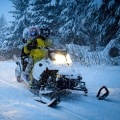
Operating a motorcycle or snowmobile can be an exhilarating experience, offering a unique sense of freedom and adventure. However, with this thrill comes a significant responsibility to prioritize safety. Understanding the importance of safety precautions is crucial for both novice and experienced riders alike. Whether you are navigating winding roads on a motorcycle or gliding across snowy landscapes on a snowmobile, the potential risks associated with these activities cannot be overlooked. Motorcycle and snowmobile accidents can lead to severe injuries or even fatalities, making it essential to adopt a proactive approach to safety.
This includes wearing appropriate protective gear, such as helmets, gloves, and padded clothing, which can significantly reduce the risk of injury in the event of an accident. Additionally, being aware of your surroundings and understanding the mechanics of your vehicle are vital components of safe operation. Moreover, the importance of regular maintenance cannot be stressed enough. Ensuring that your motorcycle or snowmobile is in optimal condition not only enhances performance but also minimizes the likelihood of mechanical failures that could lead to dangerous situations. As we delve deeper into specific safety precautions, it becomes clear that taking these steps is not just about compliance; it’s about fostering a culture of safety that protects both the rider and those around them.
Pre-Operation Safety Checks
Before hitting the road or the trails, conducting thorough pre-operation safety checks on your motorcycle or snowmobile is crucial for ensuring a safe ride.These checks can help identify potential issues that could lead to accidents or breakdowns.
Key Areas to Inspect
- Tires: Check for proper inflation and tread depth. Look for any signs of wear or damage, such as cracks or punctures. For motorcycles, ensure that both front and rear tires are in good condition, while snowmobiles should have tracks free of tears.
- Brakes: Test both front and rear brakes to ensure they engage smoothly and effectively. Inspect brake pads for wear and check fluid levels in hydraulic systems.
- Lights: Verify that all lights, including headlights, taillights, and turn signals, are functioning properly.
This is essential for visibility and communication with other drivers.
- Fluid Levels: Check engine oil, coolant, and brake fluid levels. Low fluid levels can lead to overheating or brake failure, which can be dangerous.
- Controls: Ensure that all controls, including throttle, clutch, and gear shifter on motorcycles, as well as the throttle and brake on snowmobiles, operate smoothly without sticking.
Additional Considerations
In addition to these checks, it’s wise to inspect your helmet and protective gear for any signs of damage. A well-fitted helmet can significantly reduce the risk of head injuries in case of an accident. Always ensure that your gear is appropriate for the weather conditions you will encounter.By taking the time to perform these motorcycle and snowmobile inspections, you not only enhance your safety but also prolong the lifespan of your vehicle.Regular maintenance checks can prevent costly repairs down the line and ensure a more enjoyable riding experience.
Protective Gear: Your First Line of Defense
When it comes to motorcycle & snowmobile care, one of the most critical aspects is the use of appropriate protective gear. Wearing the right gear not only enhances your comfort but also significantly reduces the risk of injury in the event of an accident.Essential Motorcycle Gear
- Helmet: A DOT-approved helmet is non-negotiable. It protects your head and can reduce the severity of injuries in a crash.
- Jacket: Invest in a durable, abrasion-resistant jacket made from leather or high-quality textile. Look for features like armor at the shoulders and elbows for added protection.
- Pants: Just like jackets, motorcycle pants should be made from tough materials.
Consider options with built-in armor for knee protection.
- Gloves: Proper gloves provide grip and protect your hands from abrasions. Look for gloves that offer both comfort and protection.
- Boots: Sturdy, over-the-ankle boots are essential. They should provide ankle support and be made from materials that can withstand impacts.
Key Snowmobile Gear
- Helmet: Similar to motorcycle helmets, snowmobile helmets should be insulated and designed for cold weather while providing excellent visibility.
- Jacket: A snowmobile jacket should be waterproof and insulated to keep you warm and dry during long rides.
- Pants: Insulated, waterproof pants are crucial for maintaining warmth and comfort while riding in snowy conditions.
- Gloves: Look for gloves that are both warm and waterproof, ensuring your hands stay dry and functional.
- Boots: Insulated boots with good traction are vital for snowmobiles, as they help prevent slips and keep your feet warm.
Always prioritize quality over cost when selecting gear, as investing in reliable equipment can make a significant difference in your safety on the road or trail.
Understanding Weather Conditions and Their Impact on Safety
When it comes to motorcycle & snowmobile care, understanding how weather conditions affect your ride is crucial for safety. Different weather scenarios can significantly impact visibility, traction, and overall control of your vehicle.Weather Impact on Riding
Rain, snow, fog, and extreme temperatures can create hazardous conditions. For instance, wet roads can reduce tire grip, making it essential to adjust your speed and braking distance. Similarly, riding in fog can severely limit visibility, necessitating the use of high-visibility gear and lights.Snowmobile Weather Safety
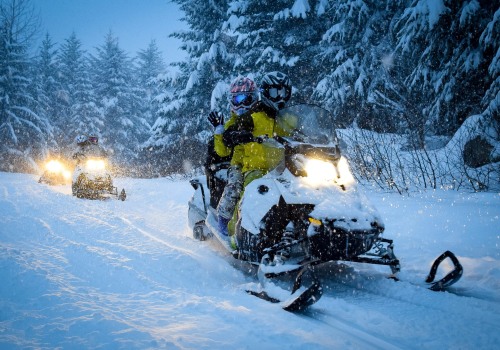
When operating a snowmobile, be particularly cautious during heavy snowfall or blizzard conditions.These situations can obscure trails and increase the risk of getting lost. Always check local weather forecasts before heading out and consider the following tips:
- Dress appropriately: Wear layers to stay warm and dry.
- Stay on marked trails: This helps avoid hidden obstacles.
- Use a buddy system: Never ride alone in severe weather.
Motorcycle Weather Precautions
For motorcycle riders, adapting to changing weather is equally important. Here are some precautions to take:- Check tire pressure: Cold temperatures can lower tire pressure, affecting handling.
- Use appropriate gear: Invest in waterproof clothing and gear with good insulation.
- Avoid sudden maneuvers: In slippery conditions, smooth inputs are key to maintaining control.
Safe Riding Techniques for Motorcycles and Snowmobiles
When it comes to motorcycle & snowmobile care, mastering safe riding techniques is essential for ensuring your safety and the safety of others on the road or trail.Here are some key techniques to keep in mind:
- Speed Control: Always be aware of your speed. Excessive speed can reduce your reaction time and increase the severity of an accident. Use the throttle smoothly and avoid sudden acceleration or deceleration.
- Cornering Techniques: Proper cornering is crucial for maintaining control. Lean into the turn while keeping your body aligned with the vehicle.
For motorcycles, use counter-steering to initiate turns, while snowmobiles require a shift in weight to navigate corners effectively.
- Maintaining Safe Distance: Always keep a safe distance from other vehicles. This gives you ample time to react to sudden stops or obstacles. A good rule of thumb is to maintain a following distance of at least three seconds behind the vehicle in front of you.
- Awareness of Surroundings: Stay alert and aware of your surroundings. Look ahead for potential hazards such as potholes, ice patches, or other riders.
Use your mirrors frequently to monitor traffic behind you.
- Use of Signals: Always signal your intentions to other road users. Whether you’re changing lanes on a motorcycle or turning on a snowmobile, using hand signals or indicators can prevent misunderstandings and accidents.
Navigating Traffic Safely: Tips for Motorcyclists and Snowmobilers
When it comes to motorcycle & snowmobile care, navigating traffic safely is paramount for both riders and drivers. Here are some essential tips to enhance your safety on the road or trail.Awareness of Surroundings
Always maintain a high level of awareness while operating your motorcycle or snowmobile.This includes:
- Scanning the environment: Regularly check mirrors and look ahead for potential hazards, such as other vehicles, pedestrians, or wildlife.
- Understanding blind spots: Be mindful of areas where other drivers may not see you, especially in traffic.
- Weather conditions: Adjust your riding style according to weather changes, as rain or snow can significantly affect visibility and traction.
Effective Communication
Clear communication with other road users is crucial. Here are some strategies:- Use signals: Always use hand signals or turn signals to indicate your intentions to other drivers.
- Make eye contact: Whenever possible, try to make eye contact with drivers at intersections to ensure they see you.
- Avoid distractions: Stay focused on the road by minimizing distractions from mobile devices or loud music.
Safe Lane Sharing
If you find yourself in traffic, lane sharing can be a viable option for motorcycles. However, it requires caution:- Know the laws: Familiarize yourself with local laws regarding lane splitting, as it is not legal everywhere.
- Be cautious: Only lane share when it is safe and there is enough space to do so without risking contact with other vehicles.
By following these guidelines, you can significantly reduce the risk of accidents and enjoy a safer riding experience.
Emergency Preparedness: What to Do in Case of an Accident
When operating a motorcycle or snowmobile, being prepared for emergencies is crucial. Accidents can happen unexpectedly, and knowing how to respond can make a significant difference in the outcome. Here are some essential steps to take in case of an accident:Before You Ride
- Carry a First Aid Kit: Always have a well-stocked first aid kit on hand. This should include bandages, antiseptic wipes, gauze, and any personal medications.
- Know Emergency Contacts: Keep a list of emergency contacts in your wallet or on your phone.
This should include family members and local emergency services.
- Familiarize Yourself with Local Laws: Understanding the laws regarding accident reporting in your area can help you respond appropriately.
If an Accident Occurs
- Stay Calm: Take a deep breath and assess the situation. Panic can cloud your judgment.
- Check for Injuries: Before moving, check yourself and others for injuries. If anyone is seriously hurt, do not attempt to move them unless there is an immediate danger.
- Call for Help: If there are injuries or significant damage, call 911 or the local emergency number. Provide clear information about your location and the nature of the accident.
- Move to Safety: If it is safe to do so, move your motorcycle or snowmobile out of traffic to prevent further accidents.
- Document the Scene: Take photos of the accident scene, vehicle damage, and any visible injuries.
This documentation can be vital for insurance claims.
- Exchange Information: Collect contact and insurance information from all parties involved in the accident.
Maintenance Tips for Safe Operation of Motorcycles and Snowmobiles
Ensuring the safety of your motorcycle or snowmobile begins with regular maintenance. Proper care not only enhances performance but also significantly reduces the risk of accidents. Here are some essential maintenance tips to keep your vehicles in top shape:Motorcycle Maintenance Tips
- Check Tire Pressure: Regularly inspect tire pressure and tread depth.
Properly inflated tires improve handling and reduce the risk of blowouts.
- Inspect Brakes: Ensure that brake pads are not worn down and that the brake fluid is at the correct level. Effective brakes are crucial for safe stopping.
- Change Oil Regularly: Follow the manufacturer’s recommendations for oil changes. Clean oil keeps the engine running smoothly and prevents overheating.
- Examine Lights and Signals: Test all lights, including headlights, taillights, and turn signals, to ensure visibility during rides, especially at night.
- Clean and Lubricate Chains: A well-lubricated chain reduces wear and tear, ensuring smoother rides and better control.
Snowmobile Maintenance Tips
- Inspect the Track: Regularly check for wear and tear on the track. A damaged track can lead to loss of control on slippery surfaces.
- Check Fuel System: Ensure that fuel lines are clear and that there is no water in the fuel tank.
Contaminated fuel can cause engine failure.
- Battery Maintenance: Keep the battery charged and clean. A weak battery can leave you stranded in cold conditions.
- Cable Inspection: Examine throttle and brake cables for fraying or damage. Replace any worn cables to maintain responsiveness.
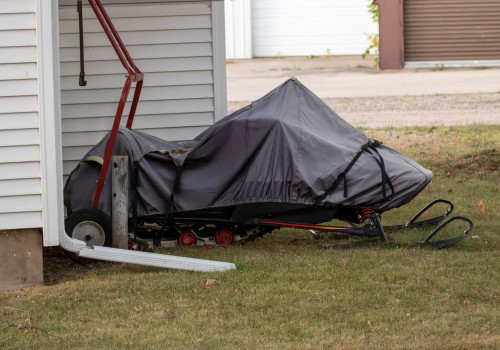
- Winterize Your Snowmobile: Before storing for the off-season, follow proper winterization procedures to prevent damage from moisture and corrosion.
Frequently Asked Questions About Motorcycle and Snowmobile Safety Precautions
When it comes to motorcycle and snowmobile care, safety is paramount.Here are some frequently asked questions that can help clarify important safety precautions:
What are the essential safety gear items for motorcycle riders?
Motorcycle riders should always wear the following safety gear:- Helmet: A DOT-approved helmet is crucial for head protection.
- Jacket: A durable, abrasion-resistant jacket can protect against road rash.
- Pants: Specialized motorcycle pants or reinforced jeans provide additional protection.
- Gloves: Gloves enhance grip and protect hands in case of a fall.
- Boots: Sturdy, ankle-high boots offer support and protection for feet and ankles.
What should I check before riding my motorcycle?
Before hitting the road, conduct a thorough pre-ride inspection, including:- Tires: Check for proper inflation and tread depth.
- Brakes: Ensure both front and rear brakes are functioning well.
- Lights: Test headlights, taillights, and turn signals.
- Fluids: Check oil, coolant, and brake fluid levels.
Are there specific safety precautions for snowmobiling?
Yes, snowmobilers should consider the following safety measures:- Wear a helmet: Just like motorcycles, helmets are essential for snowmobiles.
- Dress appropriately: Layered clothing helps maintain warmth and mobility.
- Know the terrain: Familiarize yourself with the area to avoid hazards like thin ice or obstacles.
How can I maintain my motorcycle or snowmobile for safety?
Regular maintenance is key to ensuring safety. Follow these tips:- Schedule routine inspections with a qualified mechanic.
- Cleansing and lubricating moving parts can prevent malfunctions.
- Store your vehicle properly during off-seasons to avoid damage.
Conclusion: Key Takeaways for Safe Riding Practices
In conclusion, ensuring safety while operating a motorcycle or snowmobile is paramount for both the rider's well-being and the enjoyment of the ride. By adhering to the following key takeaways, riders can significantly reduce the risk of accidents and enhance their overall experience.- Wear Protective Gear: Always don a helmet, gloves, and appropriate clothing designed for protection against the elements and potential injuries.
- Conduct Pre-Ride Inspections: Regularly check your vehicle's brakes, lights, tires, and fluid levels to ensure everything is functioning properly before hitting the road or trail.
- Stay Aware of Your Surroundings: Maintain a high level of situational awareness. This includes watching for other vehicles, pedestrians, and changing weather conditions that could affect your ride.
- Follow Traffic Laws: Abide by all traffic regulations and speed limits.
This not only keeps you safe but also promotes responsible riding within the community.
- Take a Safety Course: Consider enrolling in a motorcycle or snowmobile safety course to improve your skills and knowledge about safe riding practices.
- Ride Sober: Never operate your motorcycle or snowmobile under the influence of alcohol or drugs. Impairment significantly increases the risk of accidents.