When it comes to motorcycle and snowmobile care, one of the most critical yet often overlooked components is the air filter. This small but vital part plays a significant role in ensuring that your engine receives clean air, which is essential for optimal performance. A well-maintained air filter not only enhances the efficiency of your vehicle but also contributes to its longevity. Neglecting this aspect of maintenance can lead to a host of problems, including reduced power, increased fuel consumption, and even engine damage. The importance of air filter maintenance cannot be overstated.
For motorcycles and snowmobiles, the air filter acts as the first line of defense against dirt, dust, and other contaminants that can enter the engine. When the air filter becomes clogged or dirty, it restricts airflow, leading to poor combustion and ultimately affecting the overall performance of your ride. Regularly checking and cleaning your air filter can help maintain optimal airflow, ensuring that your engine runs smoothly and efficiently. Moreover, maintaining a clean air filter is not just about performance; it also has environmental implications. A well-functioning engine produces fewer emissions, contributing to a cleaner environment.
Therefore, incorporating air filter maintenance into your regular motorcycle and snowmobile care routine is not only beneficial for your vehicle but also for the planet. By understanding the importance of this simple yet crucial task, you can take proactive steps to enhance your riding experience and extend the life of your machine.
Types of Air Filters Used in Motorcycles and Snowmobiles
When it comes to motorcycle & snowmobile care, understanding the different types of air filters is crucial for optimal performance and longevity of your vehicle. Each type of air filter has its own unique characteristics, advantages, and disadvantages.Foam Air Filters
Foam air filters are popular in both motorcycles and snowmobiles due to their durability and reusability. Made from a porous foam material, these filters can trap dirt and debris effectively.They are often used in off-road applications where dust and mud are prevalent.
- Pros: Highly effective at filtering out larger particles, easy to clean and re-oil, and can last for many years with proper maintenance.
- Cons: May not filter out finer particles as effectively as other types, and require regular cleaning and re-oiling to maintain performance.
Paper Air Filters
Paper air filters are the most common type found in many motorcycles and snowmobiles. They are typically made from pleated paper that captures dirt particles as air flows through.- Pros: Generally inexpensive, easy to replace, and provide good filtration for standard riding conditions.
- Cons: Not reusable; once they become dirty, they must be replaced. They can also restrict airflow if clogged, which may affect engine performance.
Cotton Air Filters
Cotton air filters are often used in high-performance applications. These filters consist of multiple layers of cotton fabric that are treated with oil to enhance filtration.- Pros: Excellent airflow and filtration efficiency, reusable after cleaning, and can improve engine performance when properly maintained.
- Cons: More expensive than paper filters, require specific cleaning solutions, and may need more frequent maintenance depending on riding conditions.
Consider your riding style, environment, and maintenance preferences when selecting an air filter type that best suits your needs.
Signs That Your Air Filter Needs Cleaning or Replacement
Maintaining your motorcycle or snowmobile is crucial for optimal performance, and one of the key components to monitor is the air filter. Recognizing the signs that your air filter needs cleaning or replacement can save you from costly repairs and ensure a smooth ride.- Decreased Engine Performance: If you notice a significant drop in power or acceleration, it may be due to a clogged air filter restricting airflow to the engine.
- Increased Fuel Consumption: A dirty air filter can lead to an improper air-fuel mixture, causing your engine to work harder and consume more fuel.
- Unusual Engine Sounds: If your motorcycle or snowmobile starts making strange noises, it could be a sign that the engine is struggling due to insufficient air intake.
- Visual Inspection: Regularly check your air filter for dirt, debris, or damage. If it appears excessively dirty or torn, it’s time for a cleaning or replacement.
- Check Engine Light: In some modern vehicles, a dirty air filter can trigger the check engine light. If this occurs, inspect the air filter as part of your troubleshooting process.
As a general rule, inspect the air filter every 1,000 miles or at least once a season. However, if you frequently ride in dusty conditions or during harsh weather, you may need to check it more often.
Motorcycle air filter maintenance
is not just about cleaning; it also involves understanding the type of filter you have. Some filters are reusable and can be cleaned with specific solutions, while others are disposable and need to be replaced entirely. Always refer to your owner’s manual for specific recommendations regarding maintenance intervals and procedures.By staying vigilant and recognizing these signs early on, you can ensure that your motorcycle or snowmobile remains in peak condition, enhancing both performance and longevity.Step-by-Step Guide to Cleaning Your Motorcycle Air Filter
Cleaning your motorcycle air filter is a crucial part of motorcycle maintenance that can significantly enhance performance and longevity.Follow this step-by-step guide to ensure your air filter is in top condition.
Tools You Will Need
- Clean, dry cloth
- Air filter cleaner (specific to your filter type)
- Oil (if applicable for your filter type)
- Soft brush
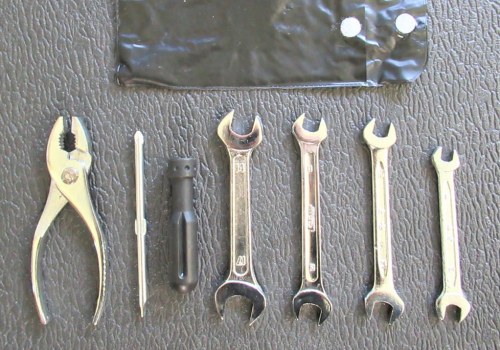
- Screwdriver (to remove the air filter cover)
- Safety gloves
- Safety goggles
Step-by-Step Cleaning Process
- Preparation: Before starting, ensure the motorcycle is turned off and cool. Wear safety gloves and goggles to protect yourself from dust and chemicals.
- Remove the Air Filter Cover: Use a screwdriver to carefully remove the screws holding the air filter cover in place. Set the screws aside in a safe location.
- Take Out the Air Filter: Gently pull out the air filter from its housing. Be cautious not to let any debris fall into the intake.
- Inspect the Filter: Check for any tears or damage.
If the filter is damaged, it’s best to replace it rather than clean it.
- Cleansing: If your filter is reusable, spray it with an appropriate air filter cleaner. Allow it to soak for a few minutes, then use a soft brush to gently scrub away dirt and grime.
- Rinse (if applicable): For foam filters, rinse them with water until clean. Ensure all cleaning solution is washed away.
- Drying: Allow the filter to air dry completely before re-oiling (if required). This may take several hours, so plan accordingly.
- Re-oiling (if applicable): If you have a foam air filter, apply a light coat of oil evenly across the surface once it’s dry.
- Reinstalling: Place the clean or new air filter back into its housing and secure the cover with screws.
Regularly checking and cleaning your air filter as part of your overall motorcycle & snowmobile care routine can prevent costly repairs down the line.
Step-by-Step Guide to Cleaning Your Snowmobile Air Filter
Cleaning the air filter on your snowmobile is essential for optimal performance and longevity. A clean air filter ensures that your engine receives the right amount of air, which is crucial for efficient combustion. Follow this step-by-step guide to properly clean your snowmobile air filter.- Gather Your Supplies: Before you start, make sure you have the following items:
- Clean water
- Air filter cleaner (specific for foam or paper filters)
- Soft brush or cloth
- Protective gloves
- New oil (if applicable)
- Remove the Air Filter: Locate the air filter compartment on your snowmobile. Carefully remove the cover and take out the air filter.
Be cautious not to let any debris fall into the intake.
- Inspect the Filter: Check for any visible damage or excessive dirt buildup. If the filter is torn or excessively dirty, consider replacing it instead of cleaning.
- Clean the Filter: If your filter is in good condition, proceed with cleaning:
- If it’s a foam filter, soak it in a mixture of warm water and air filter cleaner. Gently agitate to remove dirt.
- If it’s a paper filter, use a soft brush to gently remove dust and debris. Avoid using water as it can damage the filter.
- Rinse and Dry: Rinse the foam filter thoroughly with clean water until all cleaner is removed.
Allow it to dry completely before re-oiling. For paper filters, simply let them air dry.
- Re-oil (if applicable): For foam filters, apply a light coat of air filter oil evenly across the surface once dry. This helps trap dirt particles while allowing airflow.
- Reinstall the Filter: Once everything is dry and oiled, carefully place the air filter back into its compartment and secure the cover tightly.
By following these steps, you ensure that your snowmobile remains in top condition for all your winter adventures.
Best Practices for Maintaining Air Filters in Motorcycles and Snowmobiles
Maintaining the air filter in your motorcycle or snowmobile is crucial for optimal performance and longevity. Here are some best practices to ensure your air filter remains in top condition:- Regular Inspection: Check your air filter every 1,000 miles or at the beginning of each season. This helps you catch any dirt buildup or damage early.
- Cleaning Frequency: Depending on your riding conditions, clean the air filter every 2,000 to 5,000 miles. If you frequently ride in dusty or wet environments, consider cleaning it more often.
- Use the Right Cleaning Products: Always use a cleaner specifically designed for air filters.
Avoid harsh chemicals that can damage the filter material.
- Drying Properly: After cleaning, allow the filter to dry completely before reinstallation. A damp filter can lead to mold growth and reduced airflow.
- Re-oiling: If your air filter is foam-based, apply a suitable oil after cleaning. This helps trap dirt and debris effectively.
Additionally, consider using a pre-filter cover to protect against larger particles.
Motorcycle Care Tips:
For motorcycles, ensure that the air intake system is sealed properly after maintenance. A loose connection can allow unfiltered air into the engine, leading to potential damage.Snowmobile Care Tips:
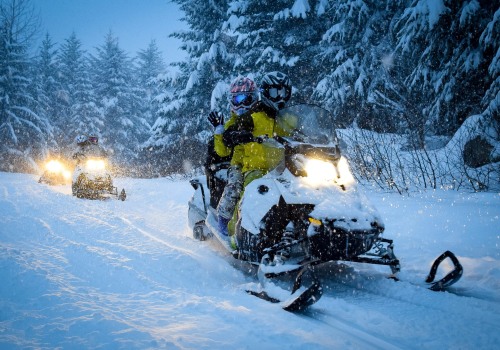
In snowmobiles, check for snow or ice buildup around the air intake area. This can restrict airflow and affect performance. Regularly clear any obstructions to maintain efficiency.By following these maintenance tips, you can enhance the performance of your motorcycle or snowmobile while ensuring a longer lifespan for your vehicle's components.Common Mistakes to Avoid When Cleaning Air Filters
Cleaning the air filter of your motorcycle or snowmobile is essential for maintaining optimal performance, but there are several common mistakes that can hinder your efforts.Avoiding these pitfalls will ensure that your vehicle runs smoothly and efficiently.
- Neglecting to Read the Manufacturer's Instructions: Each air filter is designed differently, and failing to follow the specific cleaning instructions can lead to damage. Always consult the owner’s manual for guidance on how to properly clean and maintain your filter.
- Using the Wrong Cleaning Products: Some riders make the mistake of using harsh chemicals or solvents that can degrade the filter material. Stick to products specifically designed for air filters to avoid compromising their integrity.
- Inadequate Drying Time: After cleaning, it’s crucial to allow the filter to dry completely before reinstallation. Installing a wet filter can trap moisture, leading to mold growth and engine issues.
- Over-Oiling the Filter: While oiling is necessary for certain types of filters, over-oiling can cause dirt and debris to stick more easily.
Apply oil sparingly and ensure it is evenly distributed.
- Ignoring Signs of Wear: Regularly inspect your air filter for signs of wear or damage. A compromised filter can allow dirt into the engine, leading to costly repairs. Replace it if you notice any tears or excessive wear.
FAQs About Motorcycle and Snowmobile Air Filter Care
When it comes to motorcycle and snowmobile care, understanding how to maintain the air filter is crucial for optimal performance.Here are some frequently asked questions that can help clarify the best practices for air filter care.
How often should I clean my motorcycle or snowmobile air filter?
The frequency of cleaning your air filter depends on several factors, including riding conditions and the type of filter used. Generally, it is advisable to check and clean your air filter every 1,000 to 2,000 miles for motorcycles and after every 10-20 hours of use for snowmobiles. If you ride in dusty or off-road conditions, you may need to clean it more often.What tools do I need to clean the air filter?
To properly clean your air filter, you will need:- A soft brush or compressed air
- Cleaning solution specifically designed for air filters
- A clean, dry cloth
- Oil (if using an oiled filter)
Can I use regular soap and water to clean my air filter?
No, using regular soap and water can damage the filter material. It is best to use a cleaning solution that is specifically formulated for motorcycle and snowmobile air filters.These solutions effectively remove dirt and debris without compromising the integrity of the filter.
What are the signs that my air filter needs cleaning?
Some common signs that your air filter may need cleaning include:- Decreased engine performance
- Increased fuel consumption
- Visible dirt or debris on the filter surface
- Unusual engine sounds or rough idling
Is it necessary to replace the air filter regularly?
While cleaning can extend the life of your air filter, it is still important to replace it periodically. Depending on usage and environmental conditions, a good rule of thumb is to replace your air filter every 10,000 miles or as recommended by the manufacturer.By addressing these common questions about air filter care, you can ensure that your motorcycle or snowmobile runs efficiently and reliably. Regular maintenance not only enhances performance but also prolongs the lifespan of your vehicle.Conclusion: Keeping Your Ride in Top Shape with Proper Air Filter Maintenance
In conclusion, maintaining the air filter of your motorcycle or snowmobile is crucial for ensuring optimal performance and longevity of your vehicle. Regular air filter maintenance not only enhances engine efficiency but also contributes to better fuel economy and reduced emissions.By keeping the air filter clean, you allow your engine to breathe freely, which is essential for peak performance.Here are the key takeaways to remember:
- Regular Inspection: Check your air filter at least once a month or before long rides. This helps you catch any dirt buildup early.
- Cleaning Frequency: Depending on your riding conditions, clean or replace the air filter every 1,000 to 5,000 miles. Off-road conditions may require more frequent checks.
- Proper Cleaning Techniques: Use the appropriate cleaning solutions and methods for your specific type of air filter, whether it’s foam or paper. Always follow manufacturer guidelines.
- Replacement Signs: If you notice excessive dirt, tears, or a significant drop in performance, it’s time to replace the air filter.
A well-maintained air filter can lead to smoother rides and fewer mechanical issues down the line. Remember, a little effort in maintaining this component goes a long way in keeping your vehicle in top shape.