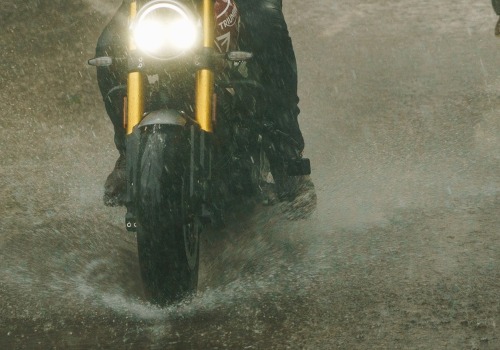
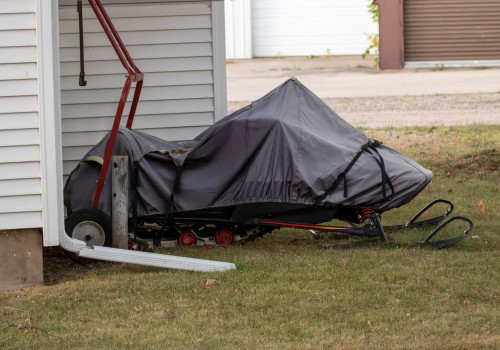
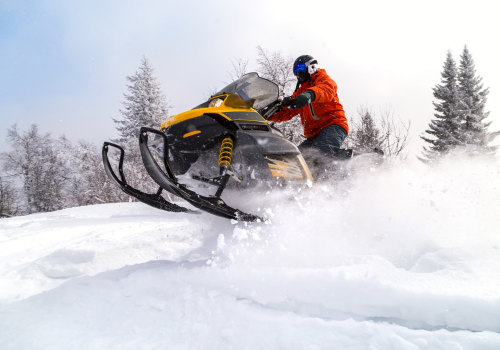
Understanding the suspension systems in both motorcycles and snowmobiles is essential for any enthusiast looking to maintain their vehicle's performance and longevity. These systems are designed to absorb shocks from uneven terrain, providing a smoother ride while ensuring stability and control. At the core of these systems are several key components, including springs, shock absorbers, and linkages, each playing a vital role in how the vehicle handles various conditions. In motorcycles, the suspension typically consists of front forks and a rear shock. The front forks help to manage steering and absorb bumps, while the rear shock works to stabilize the bike during acceleration and braking.
On the other hand, snowmobiles utilize a different approach with their suspension systems, often featuring a combination of front and rear suspensions that work together to enhance traction on snow and ice. Understanding how these components interact is crucial for effective motorcycle & snowmobile care.When you grasp the fundamentals of how suspension works, you can better appreciate the importance of regular maintenance. Neglecting these systems can lead to premature wear and tear, affecting not only ride quality but also safety. By learning about the specific needs of your motorcycle or snowmobile's suspension system, you can implement preventative measures that will keep your vehicle performing at its best for years to come.
Common Causes of Wear and Tear on Suspension
Understanding the common causes of wear and tear on the suspension of your motorcycle or snowmobile is crucial for effective motorcycle & snowmobile care.Several factors contribute to suspension issues, and recognizing them early can save you from costly repairs.
- Environmental Conditions: Exposure to harsh weather conditions can significantly impact suspension components. Rain, snow, and road salt can lead to corrosion, while extreme temperatures can affect the elasticity of rubber bushings and seals.
- Riding Habits: Aggressive riding styles, such as hard cornering and frequent jumps, place excessive stress on the suspension system. Regularly riding on rough terrain can also accelerate wear, as the suspension is constantly absorbing impacts.
- Maintenance Neglect: Failing to perform regular maintenance checks can lead to unnoticed issues. Over time, dirt and debris can accumulate in suspension components, leading to decreased performance and increased wear.
Additionally, neglecting to replace worn-out parts like shocks or springs can exacerbate existing problems.
- Load and Weight Distribution: Carrying excessive weight or improperly distributing cargo can strain the suspension system. This is particularly important for snowmobiles, where uneven weight distribution can lead to handling issues and increased wear on one side of the suspension.
Routine Maintenance Practices for Suspension Care
To ensure the longevity and optimal performance of your motorcycle or snowmobile's suspension, implementing a routine maintenance schedule is essential. Regular inspections and care can significantly reduce wear and tear, enhancing your riding experience.Regular Inspections- Conduct visual inspections of the suspension components at least once a month.
Look for signs of wear, such as cracks, leaks, or rust.
- Check the condition of the shock absorbers and springs. If you notice any fluid leakage or unusual noises during operation, it may be time for a replacement.
- After each ride, especially in harsh conditions, clean the suspension components to remove dirt, mud, and debris. Use a soft brush and mild soap to avoid damaging any seals.
- Pay special attention to the linkage points and pivot areas where grime can accumulate and cause premature wear.
- Regularly lubricate moving parts of the suspension system. Use high-quality lubricants recommended by the manufacturer to ensure compatibility and effectiveness.
- Focus on areas such as bushings and bearings, which require proper lubrication to function smoothly.
- Make necessary adjustments to the suspension settings based on your riding style and load.
Proper sag settings can enhance handling and comfort.
- If you frequently ride in varying conditions, consider adjusting the preload and damping settings to suit different terrains.
Choosing the Right Riding Gear and Accessories
When it comes to motorcycle & snowmobile care, the right riding gear and accessories play a crucial role in maintaining the performance of your vehicle's suspension system. Proper gear not only enhances your safety but also minimizes the wear and tear on your suspension during rides.Best Riding Gear for Motorcycles
- Helmets: A high-quality helmet protects your head and neck, reducing the impact of sudden jolts that can affect your body and, consequently, the suspension.
- Jackets and Pants: Look for gear made from durable materials that can absorb shocks. This helps in maintaining stability while riding, which is essential for preserving suspension integrity.
- Gloves and Boots: These accessories provide grip and control, allowing you to navigate rough terrains smoothly, thereby reducing unnecessary strain on the suspension.
Snowmobile Accessories
- Ski and Track Upgrades: Investing in high-performance skis and tracks can significantly improve handling and reduce wear on the suspension by providing better traction.
- Windshields: A good windshield can deflect wind and debris, which not only protects you but also helps maintain a stable ride, reducing stress on the suspension system.
Protective Gear Importance
The importance of wearing protective gear cannot be overstated.It acts as a buffer against external forces that can lead to abrupt movements, which may cause excessive wear on your motorcycle or snowmobile's suspension. By investing in quality gear, you not only enhance your safety but also contribute to the longevity of your vehicle's components.In conclusion, choosing the right riding gear and accessories is essential for effective motorcycle & snowmobile care. By prioritizing quality and functionality in your gear selection, you can significantly reduce wear and tear on your suspension while enjoying a safer riding experience.
Adjusting Suspension Settings for Different Conditions
Adjusting the suspension settings of your motorcycle or snowmobile is crucial for optimizing performance and preventing wear and tear. Different riding conditions demand specific adjustments to ensure a smooth ride and to protect your vehicle's components.Understanding Riding Conditions
- On-Road Riding: When riding on paved surfaces, a stiffer suspension setting can enhance stability and responsiveness.
This is particularly important during high-speed maneuvers.
- Off-Road Riding: For off-road conditions, a softer suspension setting is recommended. This allows the suspension to absorb bumps and obstacles, reducing the impact on both the rider and the vehicle.
- Snow Conditions: In snowy environments, adjusting your snowmobile's suspension to a softer setting can help improve flotation and traction, allowing for better handling in deep snow.
Suspension Adjustment Tips
- Consult Your Owner's Manual: Always refer to your vehicle's owner manual for specific recommendations on suspension settings based on riding conditions.
- Adjust Preload: Increasing or decreasing the preload can change how your suspension reacts to weight shifts. For heavier loads, increase preload; for lighter loads, decrease it.
- Tune Compression and Rebound: Adjusting compression settings affects how quickly the suspension absorbs bumps, while rebound settings control how fast it returns to its original position. Fine-tuning these can significantly enhance ride quality.
- Test Ride: After making adjustments, take your motorcycle or snowmobile for a test ride.
Pay attention to how it handles under different conditions and make further tweaks as necessary.
Signs Your Suspension Needs Attention
Recognizing the signs that your motorcycle or snowmobile's suspension needs attention is crucial for maintaining optimal performance and safety. Ignoring these signs can lead to more severe issues and costly repairs down the line. Here are some key indicators to watch for:- Unusual Noises: If you hear clunking, rattling, or squeaking sounds while riding, it may indicate that components of the suspension system are worn out or damaged.
- Excessive Bouncing: A motorcycle or snowmobile that bounces excessively after hitting bumps may have worn-out shocks or struts.
This can affect handling and stability.
- Uneven Tire Wear: Inspect your tires regularly. If you notice uneven wear patterns, it could be a sign of suspension misalignment or failure.
- Poor Handling: If your vehicle feels unstable, sways excessively, or has difficulty cornering, it may be time to check the suspension system. These handling issues can compromise safety.
- Leaking Fluid: Check for any signs of fluid leaks around the shocks or struts. Leaking fluid is a clear indication that the suspension components need repair.
- Bottoming Out: If your motorcycle or snowmobile frequently bottoms out on bumps or rough terrain, it suggests that the suspension is not absorbing shocks effectively.
Regular maintenance checks and being aware of these signs will ensure a smoother ride and enhance your overall experience on the road or trail.
Frequently Asked Questions About Motorcycle and Snowmobile Suspension Care
When it comes to motorcycle and snowmobile care, understanding the nuances of suspension maintenance is crucial. Here are some frequently asked questions that can help you keep your ride in top shape.What are the signs of suspension wear on a motorcycle?
Common indicators of suspension wear include:- Unusual noises: Clunking or rattling sounds when riding can signal worn components.
- Uneven tire wear: If your tires show uneven patterns, it may be due to suspension issues.
- Poor handling: If your motorcycle feels unstable or bounces excessively, it’s time to inspect the suspension.
How often should I check my snowmobile's suspension?
For optimal snowmobile care, it’s recommended to check the suspension at least once a season. However, if you ride frequently or in rough conditions, consider more regular inspections. Look for:- Damaged shocks: Inspect for leaks or dents.
- Spring condition: Ensure springs are not sagging or broken.
- Alignment issues: Check that the skis and track are aligned properly.
What maintenance can I perform myself?
You can perform several basic maintenance tasks to prolong the life of your suspension:- Regular cleaning: Keep the suspension components clean from dirt and debris.
- Lubrication: Apply appropriate lubricants to moving parts as recommended by the manufacturer.
- Tire pressure checks: Maintain proper tire pressure to reduce strain on the suspension.
Proper care and timely maintenance can significantly enhance the performance and longevity of your motorcycle or snowmobile's suspension system.
Conclusion: Key Takeaways for Suspension Maintenance
In conclusion, maintaining the suspension of your motorcycle or snowmobile is crucial for ensuring optimal performance and longevity. By following the guidelines outlined in this article, you can significantly reduce wear and tear on these vital components. Regular Inspections: Conducting routine checks on your suspension system can help identify potential issues before they escalate. Look for signs of wear, such as leaks in the shock absorbers or unusual noises during operation.Proper Lubrication: Keeping moving parts well-lubricated is essential. Use high-quality lubricants specifically designed for motorcycle and snowmobile suspensions to minimize friction and prevent premature wear. Adjusting Suspension Settings: Tailoring your suspension settings to match your riding style and terrain can enhance performance and reduce stress on the components. Make adjustments based on load, riding conditions, and personal preference.
Storage Practices: When not in use, store your motorcycle or snowmobile in a dry, temperature-controlled environment. This helps prevent rust and deterioration of suspension components. Professional Maintenance: Don’t hesitate to seek professional help for complex suspension issues. Regular servicing by a qualified technician can ensure that your suspension system remains in top condition.
By implementing these practices, you not only enhance the performance of your motorcycle or snowmobile but also extend the life of its suspension system. Remember, motorcycle & snowmobile care is an investment in safety and enjoyment on the road or trail.