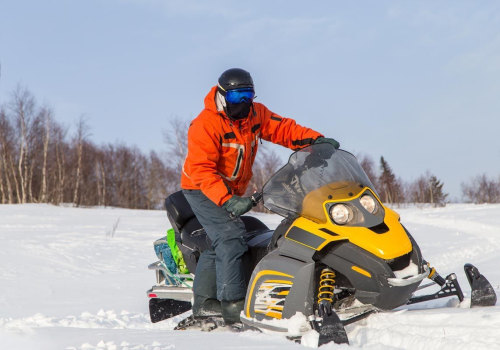
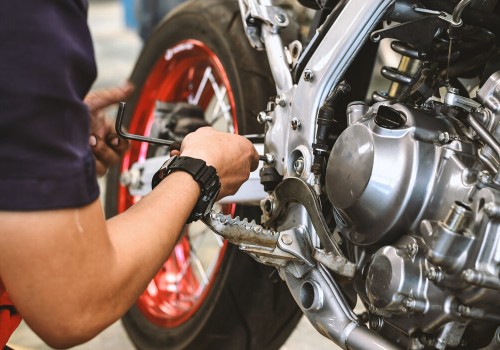
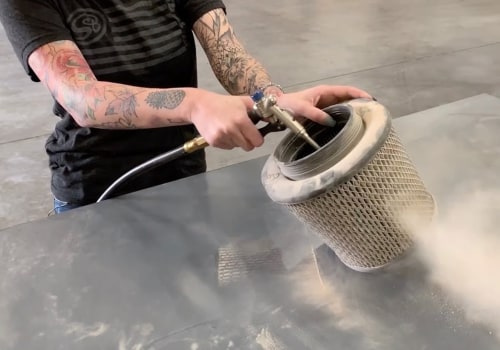
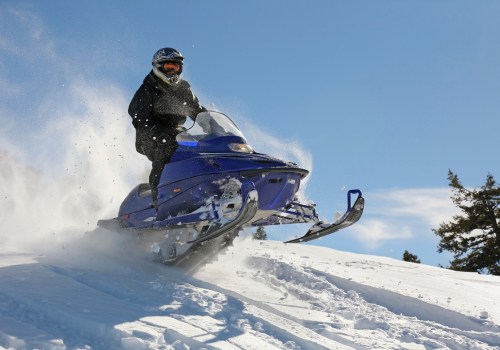
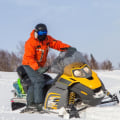
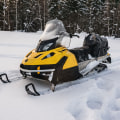
Understanding the mechanics of motorcycles and snowmobiles is essential for any enthusiast or owner looking to maintain their vehicle's performance and longevity. Both types of machines operate on similar principles, yet they have distinct components and systems that require attention. Motorcycles typically rely on a combination of an internal combustion engine, transmission, and various electrical systems to function efficiently. On the other hand, snowmobiles are designed for winter conditions, utilizing a track system for traction and a powerful engine to navigate through snow-covered terrains. At the heart of motorcycle mechanics is the engine, which converts fuel into motion.
This process involves intricate systems such as fuel injection, ignition timing, and exhaust management. Understanding how these components work together can help riders identify potential issues before they escalate. Similarly, snowmobiles feature unique mechanics like a clutch system that engages the track and a cooling system that prevents overheating during operation. Familiarity with these systems not only enhances the riding experience but also empowers owners to perform basic maintenance and troubleshooting. As we delve deeper into the common issues that can arise with motorcycles and snowmobiles, it becomes clear that knowledge of their mechanics is crucial.
From engine troubles to electrical failures, recognizing the signs of wear and tear can save time and money in repairs. By grasping how motorcycles work and the specific mechanics behind snowmobiles, riders can ensure their vehicles remain in optimal condition, ready for any adventure.
Common Mechanical Issues
When it comes to motorcycle and snowmobile care, understanding common mechanical issues is essential for maintaining performance and safety. Both vehicles share similar components, which can lead to overlapping problems, particularly in the engine and transmission systems.Engine Problems
Engine issues are among the most critical concerns for both motorcycles and snowmobiles. Common symptoms include:- Overheating: This can result from low coolant levels, a malfunctioning thermostat, or a blocked radiator.
- Starting difficulties: Problems with the battery, starter motor, or fuel delivery system can prevent the engine from starting.
- Unusual noises: Knocking or grinding sounds may indicate internal damage or insufficient lubrication.
Transmission Issues
The transmission is another area where both motorcycles and snowmobiles can experience problems.Key issues include:
- Slipping gears: This occurs when the transmission fails to maintain engagement, often due to worn clutch plates or low fluid levels.
- Difficulty shifting: Hard or stuck shifts can be caused by a malfunctioning shift lever or issues within the transmission itself.
- Noisy operation: Grinding or whining noises during gear changes may indicate worn bearings or other internal components.
Electrical System Failures
Electrical system failures are among the most common issues that can arise with both motorcycles and snowmobiles. Understanding these problems is crucial for ensuring the longevity and reliability of your vehicle.Battery Failures
- Dead Batteries: One of the most frequent issues is a dead battery, often caused by leaving lights on or not using the vehicle for an extended period. Regularly checking the battery's charge can prevent unexpected breakdowns.
- Corrosion: Corrosion on battery terminals can lead to poor connections, resulting in starting issues.
Cleaning the terminals and ensuring a tight connection can mitigate this problem.
- Old Batteries: Batteries have a limited lifespan, typically around 3-5 years. If your motorcycle or snowmobile struggles to start, it may be time for a replacement.
Wiring Issues
- Frayed Wires: Over time, wires can become frayed or damaged due to exposure to elements or wear and tear. Inspecting wiring regularly can help catch these issues before they lead to more significant problems.
- Loose Connections: Loose or faulty connections can cause intermittent electrical failures. Ensuring all connections are secure is essential for optimal performance.
- Short Circuits: A short circuit can occur when wires touch each other or come into contact with metal parts of the vehicle.
This can lead to blown fuses or even fire hazards, making it critical to address any signs of electrical shorts immediately.
Fuel System Problems
When it comes to motorcycle and snowmobile care, one of the most critical areas to monitor is the fuel system. Issues in this system can lead to significant performance problems, making it essential for riders to be aware of potential complications.Common Fuel System Issues
- Clogged Fuel Filters: Over time, dirt and debris can accumulate in the fuel filter, restricting fuel flow. This can lead to poor engine performance or even stalling.
- Fuel Line Leaks: Cracks or damage in the fuel lines can cause leaks, which not only affect performance but also pose safety hazards due to flammable liquids.
- Carburetor Issues: For motorcycles and older snowmobiles that utilize carburetors, problems such as gumming or clogging can prevent proper fuel-air mixture, leading to rough idling or difficulty starting.
- Fuel Injection Problems: Modern motorcycles and snowmobiles often use fuel injection systems.
Issues like clogged injectors or faulty sensors can disrupt the fuel delivery process, resulting in decreased power and efficiency.
- Regularly Replace Fuel Filters: Change your fuel filter according to the manufacturer's recommendations to ensure clean fuel flow.
- Inspect Fuel Lines: Routinely check for any signs of wear or leaks in the fuel lines and replace them as necessary.
- Clean Carburetors: If your vehicle has a carburetor, consider cleaning it periodically to prevent buildup that can affect performance.
- Service Fuel Injectors: Use a fuel injector cleaner regularly and have them serviced if you notice any performance issues.
Tire and Suspension Concerns
When it comes to motorcycle and snowmobile care, paying attention to tire and suspension issues is crucial for both safety and performance. Neglecting these components can lead to serious problems that affect handling, stability, and overall ride quality.Common Motorcycle Tire Issues
- Uneven Wear: This can occur due to improper inflation, misalignment, or suspension problems. Regularly checking tire pressure and alignment can help prevent this issue.
- Punctures and Cuts: Road debris can cause punctures, leading to air loss.
Carrying a repair kit can be beneficial for on-the-road fixes.
- Cracking: Tires can develop cracks from age or exposure to harsh conditions. Inspecting tires regularly for signs of aging is essential.
Snowmobile Suspension Problems
- Worn Shocks: Over time, shocks can lose their effectiveness, leading to a rough ride. Regularly testing the suspension's responsiveness can help identify this issue early.
- Spring Issues: Springs may sag or break, affecting the snowmobile's ability to absorb bumps. Inspecting springs for wear and replacing them as needed is vital.
- Alignment Problems: Misalignment can cause uneven wear on skis and affect handling.
Regular maintenance checks can help ensure proper alignment.
Preventative Maintenance Tips
Maintaining your motorcycle or snowmobile is crucial for ensuring optimal performance and longevity. Here are some preventative maintenance tips that can help you avoid common issues:- Regular Oil Changes: Just like any vehicle, both motorcycles and snowmobiles require regular oil changes to keep the engine running smoothly.
Check the manufacturer’s recommendations for oil change intervals.
- Tire Maintenance: Inspect your tires for wear and proper inflation. Under-inflated or worn tires can lead to poor handling and increased risk of accidents.
- Battery Care: Ensure your battery is charged and clean. Corrosion can build up on terminals, which may hinder performance. Consider using a battery maintainer during off-seasons.
- Brake Inspection: Regularly check your brake pads and fluid levels.
Worn brakes can compromise safety, so replace them as needed.
- Fuel System Maintenance: Use fuel stabilizers during off-seasons to prevent fuel degradation. Clean the fuel system periodically to avoid clogs that can affect performance.
- Cable and Chain Lubrication: Keep cables and chains well-lubricated to ensure smooth operation. This reduces wear and tear, extending the life of these components.
When to Seek Professional Help
Knowing when to seek professional help for your motorcycle or snowmobile is crucial for maintaining the longevity and performance of your vehicle.While some issues can be addressed through DIY repairs, others require the expertise of a qualified mechanic.
Signs It's Time to Visit a Mechanic
- Unusual Noises: If you hear strange sounds such as grinding, knocking, or excessive rattling, it’s a clear indicator that something is wrong. Ignoring these noises can lead to more severe damage.
- Warning Lights: Dashboard warning lights are designed to alert you to potential problems. If a light appears and doesn’t go away after a short ride, it’s time to consult a professional.
- Performance Issues: A noticeable drop in performance, such as difficulty starting, stalling, or reduced acceleration, often signals that your vehicle needs expert attention.
- Fluid Leaks: Any signs of leaking fluids—oil, coolant, or fuel—should not be ignored. These leaks can lead to serious complications if not addressed promptly.
- Electrical Problems: If you experience issues with the electrical system, such as dead batteries or malfunctioning lights, it’s best to have a professional diagnose the problem.
Differentiating Between DIY and Professional Repairs
While many motorcycle and snowmobile maintenance tasks can be performed at home, such as oil changes and basic cleaning, some repairs require specialized knowledge and tools.If you find yourself unsure about how to proceed with a repair or if the issue seems complex, it’s wise to err on the side of caution and seek professional help.In summary, being aware of these signs can save you time and money in the long run. Regular maintenance checks and being proactive about repairs will ensure that your motorcycle or snowmobile remains in optimal condition.
Frequently Asked Questions (FAQs)
When it comes to motorcycle and snowmobile care, enthusiasts often have questions about common issues that can arise. Here are some frequently asked questions:Common Motorcycle Questions
- What are the signs of a failing battery? Look for dim headlights, slow engine cranking, or electrical issues. Regularly checking the battery's charge can prevent unexpected breakdowns.
- How often should I change my oil? It's generally recommended to change your motorcycle oil every 3,000 to 5,000 miles, but always refer to your owner's manual for specific guidelines.
- What tire pressure should I maintain? Maintaining the correct tire pressure is crucial for safety and performance.
Check your owner's manual for the recommended PSI and inspect tires regularly.
Common Snowmobile Questions
- How do I know if my snowmobile needs a tune-up? Signs include poor acceleration, unusual noises, or difficulty starting. Regular maintenance checks can help keep your snowmobile in top shape.
- What should I do if my snowmobile won't start? Check the fuel level, battery condition, and spark plugs. If these components are functioning well, it may be time to consult a professional.
- How can I prevent corrosion during off-season storage? Clean your snowmobile thoroughly and apply a protective spray on metal parts. Store it in a dry place and consider using a cover to shield it from moisture.
Motorcycle Care FAQs
- What is the best way to clean my motorcycle? Use a gentle soap specifically designed for motorcycles, along with soft cloths or sponges.
Avoid high-pressure washers that can damage sensitive components.
- How do I maintain my chain? Regularly clean and lubricate your chain every 500 miles or after riding in wet conditions to ensure smooth operation and longevity.
Snowmobile Care FAQs
- What fuel should I use for my snowmobile? Always use high-quality fuel with the appropriate octane rating as specified in your owner's manual to ensure optimal performance.
- How often should I check the coolant level? It's advisable to check the coolant level before each ride, especially during the winter months when temperatures can fluctuate significantly.