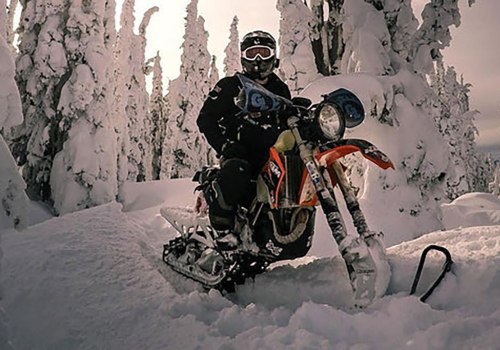
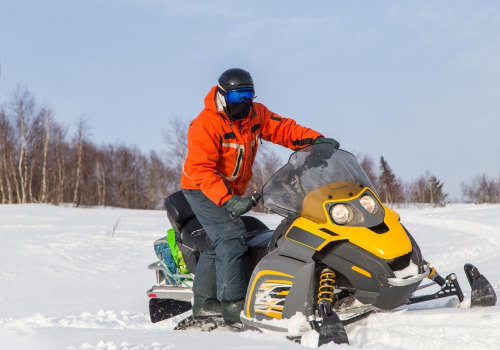
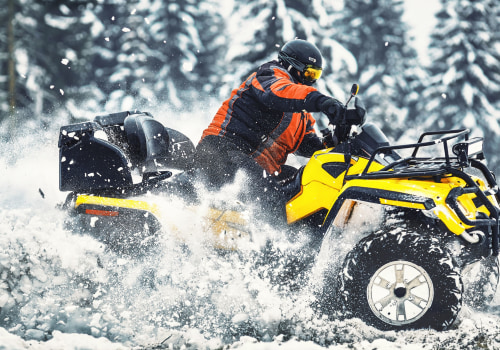
When it comes to motorcycle and snowmobile care, understanding the importance of regular maintenance cannot be overstated. These vehicles are not just modes of transportation; they are investments that require attention and care to ensure optimal performance and safety. Just like any other machine, motorcycles and snowmobiles can develop issues over time, and one of the first signs of trouble often manifests as unusual noises. Recognizing these sounds early can be the difference between a minor fix and a major repair. Regular maintenance is essential for keeping your motorcycle or snowmobile in peak condition.
It involves routine checks, oil changes, and inspections that help identify potential problems before they escalate. When you hear an unfamiliar noise, it’s a signal that something may be amiss, whether it’s a loose part, low fluid levels, or more serious mechanical issues. Ignoring these sounds can lead to costly repairs and even compromise your safety on the road or trail. Moreover, understanding the nuances of vehicle maintenance not only enhances the longevity of your motorcycle or snowmobile but also improves your overall riding experience. A well-maintained vehicle operates more efficiently, providing better fuel economy and performance.
Therefore, being proactive about care and addressing any unusual noises promptly is crucial for both your safety and enjoyment.
Common Unusual Noises in Motorcycles and Snowmobiles
When it comes to motorcycle and snowmobile care, being able to identify unusual noises is crucial for maintaining the health of your vehicle. Different sounds can indicate various issues, and recognizing them early can save you from costly repairs.Common Motorcycle Noises
- Knocking or Pinging: This sound often indicates a problem with the engine, such as improper fuel octane or a timing issue. If you hear this noise, it’s essential to check your fuel and consider a visit to a mechanic.
- Grinding: A grinding noise can suggest that your brakes are worn out or that there’s an issue with the transmission. Ignoring this sound can lead to severe damage, so it’s best to investigate immediately.
- Hissing: If you hear a hissing sound, it may be due to a coolant leak or an exhaust leak.
Both issues require prompt attention to prevent overheating or further engine damage.
Common Snowmobile Noises
- Rattling: A rattling noise can indicate loose components or parts that need tightening. It’s important to check the chassis and engine mounts to ensure everything is secure.
- Squealing: This sound often comes from the drive belt or brakes. If you hear squealing, inspect these areas for wear and tear, as they may need replacement.
- Banging: A banging noise could be a sign of a serious issue, such as a failing suspension component or loose track. Addressing this promptly is vital for safety and performance.
Regular maintenance and timely interventions based on these sounds will enhance your riding experience and prolong the life of your vehicle.
Diagnosing the Source of Unusual Noises
When your motorcycle or snowmobile starts making unusual noises, the first step is to diagnose the source of the sound. Understanding what you’re hearing can help you determine whether it’s a minor issue or something that requires immediate attention.Listen Carefully
: Pay close attention to the type of noise being produced. Different sounds can indicate different problems:
- Knocking or Pinging: This could suggest issues with the engine, such as improper fuel octane or internal wear.
- Grinding: Often associated with transmission problems or worn-out gears.
- Squealing: This may indicate a problem with the belt or brakes.
- Hissing: Could be a sign of a coolant leak or exhaust issue.
Assess the Situation
: Once you’ve identified the type of noise, consider when it occurs:
- If the noise happens only when accelerating, it may be related to the drivetrain.
- Noises that occur during deceleration could point to brake issues.
- If the sound is constant regardless of speed, it might be an engine-related problem.
Visual Inspection
: After listening and assessing, perform a visual inspection of your motorcycle or snowmobile. Look for:
- Loose components that may be rattling.
- Fluid leaks that could indicate a more serious issue.
- Worn belts or chains that may need replacement.
They can provide a thorough diagnosis and recommend necessary repairs to ensure your vehicle operates safely and efficiently.
Immediate Actions to Take When You Hear Unusual Noises
Hearing unusual noises from your motorcycle or snowmobile can be alarming, and it’s crucial to take immediate action to ensure your safety and prevent further damage. Here are the steps you should follow:- Stay Calm: The first step is to remain calm. Panicking can lead to poor decision-making. Take a deep breath and assess the situation.
- Identify the Noise: Try to pinpoint the source of the noise.
Is it a grinding sound, a knocking, or a high-pitched whine? Understanding the type of noise can help in diagnosing the issue.
- Reduce Speed: If you’re riding, gradually reduce your speed. Avoid sudden stops that could cause loss of control. Pull over to a safe location as soon as possible.
- Turn Off the Engine: Once you’re safely off the road, turn off the engine. This will prevent any potential damage from worsening and allow you to inspect the vehicle.
- Inspect for Visible Issues: Conduct a quick visual inspection of your motorcycle or snowmobile.
Look for any obvious signs of trouble such as leaks, loose parts, or smoke. Pay special attention to the engine area and exhaust system.
- Listen for Recurring Noises: With the engine off, listen carefully for any lingering sounds that may indicate a problem, such as hissing or clicking noises.
- Consult Your Manual: Refer to your owner’s manual for troubleshooting tips specific to your model. It may provide insights into common issues associated with unusual noises.
- Seek Professional Help: If you cannot identify or resolve the issue, it’s best to contact a professional mechanic. Continuing to ride with an unresolved problem can lead to more severe damage and safety hazards.
Remember that regular maintenance and inspections are key components of motorcycle & snowmobile care, helping to prevent issues before they arise.
When to Seek Professional Help
When it comes to motorcycle & snowmobile care, recognizing the right moment to seek professional help can save you from further damage and costly repairs. While some noises may seem minor, others can indicate serious issues that require immediate attention.Signs That Indicate Professional Help is Needed
- Persistent Unusual Noises: If your motorcycle or snowmobile is making strange sounds that don’t go away after a short period, it’s time to consult a mechanic. Sounds like grinding, clunking, or high-pitched squeals can signal problems with the engine, transmission, or brakes.
- Changes in Performance: Noticeable changes in how your vehicle accelerates, brakes, or handles can be a red flag. If you experience a loss of power or difficulty steering, these issues should be evaluated by a professional.
- Warning Lights: Many modern motorcycles and snowmobiles come equipped with warning lights on the dashboard.
If any warning lights illuminate while riding, it’s crucial to have your vehicle checked by a mechanic.
- Fluid Leaks: If you notice any fluid leaking from your motorcycle or snowmobile, especially oil or coolant, this is a sign that something is wrong. Leaks can lead to severe engine damage if not addressed promptly.
- If you are unsure about the source of the noise or how to diagnose it.
- If you’ve attempted DIY fixes but the problem persists or worsens.
- If the noise occurs during specific conditions, such as turning or accelerating, which may indicate alignment or suspension issues.
Preventive Maintenance Tips for Motorcycles and Snowmobiles
To ensure the longevity and reliability of your motorcycle and snowmobile, implementing a routine of preventive maintenance is essential.Regular care not only enhances performance but also helps in identifying potential issues before they escalate into costly repairs. Here are some key preventive maintenance tips to keep your vehicles in top shape:
- Regular Inspections: Conduct thorough inspections of your motorcycle or snowmobile at least once a month. Check for any signs of wear and tear, including the condition of tires, brakes, and belts.
- Fluid Checks: Regularly check and change engine oil, coolant, and brake fluid as per the manufacturer’s recommendations. Clean fluids are crucial for optimal performance and can prevent unusual noises caused by friction or overheating.
- Chain Maintenance: For motorcycles, ensure that the chain is properly lubricated and adjusted. A loose or dry chain can create rattling noises and lead to further mechanical issues.
- Battery Care: Inspect the battery terminals for corrosion and ensure that the battery is charged.
A weak battery can cause starting issues and unusual electrical noises.
- Tire Maintenance: Keep tires properly inflated and check for any signs of damage or uneven wear. Proper tire maintenance not only improves handling but also reduces noise while riding.
Frequently Asked Questions About Motorcycle and Snowmobile Noises
When it comes to motorcycle and snowmobile care, understanding the noises your vehicle makes is crucial for maintaining its performance and safety. Here are some frequently asked questions regarding unusual noises:- What does it mean if my motorcycle makes a clicking noise?
A clicking noise can indicate a problem with the valve train or a loose component.It’s essential to check the engine oil level and quality, as low oil can lead to increased friction and noise.
- Why is my snowmobile making a grinding sound?
Grinding noises often suggest that there is an issue with the drive belt or the clutch. Inspect these components for wear and tear, and replace them if necessary to avoid further damage. - Is it normal for my motorcycle to make a popping sound?
A popping sound, especially during deceleration, can be normal in some motorcycles due to the exhaust system design. However, if it occurs frequently or loudly, it may indicate an air leak in the exhaust system. - What should I do if my snowmobile is making a high-pitched whine?
A high-pitched whine could be a sign of a failing bearing or an issue with the drive system. It’s advisable to have a professional inspect your snowmobile to prevent further complications.
Ignoring these sounds can lead to more significant issues down the line. Regular maintenance and inspections are key components of effective motorcycle and snowmobile care.For more specific concerns, consider consulting your owner’s manual or reaching out to a certified mechanic who specializes in motorcycle and snowmobile care.
Conclusion: Ensuring a Smooth Ride Through Proper Care
In conclusion, addressing unusual noises from your motorcycle or snowmobile is crucial for ensuring a safe and enjoyable riding experience. Ignoring these sounds can lead to more significant issues down the line, potentially resulting in costly repairs or even accidents. By being proactive and attentive to your vehicle's performance, you can maintain its longevity and reliability.Here are some key takeaways to remember:- Listen carefully: Pay attention to any changes in sound, as they can indicate underlying problems.
- Regular maintenance: Schedule routine check-ups and maintenance to catch issues before they escalate.
- Consult professionals: If you're unsure about the source of the noise, seek help from a qualified mechanic who specializes in motorcycle & snowmobile care.
- Document changes: Keep a log of any unusual noises and the circumstances under which they occur.
This information can be invaluable for mechanics.