When it comes to motorcycle and snowmobile care, understanding the importance of proper storage is crucial for maintaining the performance and longevity of these vehicles. Whether you’re preparing for the off-season or simply need to store your ride for an extended period, the way you handle storage can significantly impact its condition. Neglecting this aspect can lead to a range of issues, from fuel degradation to corrosion, which can be costly and time-consuming to rectify. One of the key components of effective motorcycle storage and snowmobile storage is the use of a fuel stabilizer. As fuel sits idle in the tank, it can break down and form varnish, leading to clogged fuel lines and carburetors.
This not only affects performance but can also result in expensive repairs. By incorporating a fuel stabilizer into your storage routine, you can help preserve the integrity of your fuel, ensuring that your vehicle is ready to go when you are. Moreover, proper storage techniques extend beyond just fuel management. Factors such as environmental conditions, battery maintenance, and tire care also play significant roles in preserving your motorcycle or snowmobile. By taking a comprehensive approach to motorcycle and snowmobile care, you can prevent common pitfalls associated with long-term storage and enjoy peace of mind knowing that your investment is well protected.
What is a Fuel Stabilizer?
A fuel stabilizer is a chemical additive designed to maintain the quality of fuel during prolonged storage.When fuel is left sitting for an extended period, it can degrade due to oxidation and evaporation, leading to issues such as varnish buildup and engine performance problems. Fuel stabilizers work by slowing down these chemical reactions, ensuring that the fuel remains usable when it's time to start your motorcycle or snowmobile again.Typically composed of a blend of antioxidants, detergents, and corrosion inhibitors, fuel stabilizers create a protective barrier within the fuel. This barrier helps to prevent the formation of gum and sludge that can clog fuel lines and injectors. Additionally, some stabilizers contain components that absorb moisture, which is crucial since water can lead to rust and corrosion in the fuel system.When you add a fuel stabilizer to your motorcycle or snowmobile's tank before storage, it begins to work immediately.
The stabilizer mixes with the fuel and starts to inhibit the oxidation process. As a result, the fuel retains its combustibility and effectiveness over time. This is particularly important for vehicles that may not be used for several months, such as during winter storage.In summary, using a fuel stabilizer is an essential part of motorcycle & snowmobile care when planning for long-term storage. By understanding what a fuel stabilizer is and how it functions, you can ensure that your vehicle remains in optimal condition and ready for action when you need it.
Why Use a Fuel Stabilizer When Storing Your Motorcycle or Snowmobile?
When it comes to motorcycle and snowmobile care, using a fuel stabilizer during long-term storage is a crucial step that can save you time, money, and headaches down the road.Here are some of the key benefits of incorporating a fuel stabilizer into your storage routine:
- Prevents Fuel Degradation: Over time, gasoline can break down and form varnish and gum deposits, which can clog fuel lines and injectors. A quality fuel stabilizer helps to keep the fuel fresh, preventing these issues from arising.
- Avoids Engine Issues: Stale fuel can lead to hard starting, poor performance, and even engine damage. By using a stabilizer, you ensure that your engine remains in optimal condition, ready to perform when you are.
- Enhances Overall Vehicle Performance: Fresh fuel contributes to better combustion efficiency. This means that when you finally take your motorcycle or snowmobile out for a ride, you’ll experience smoother acceleration and improved throttle response.
- Saves Money: The cost of a bottle of fuel stabilizer is minimal compared to the potential repair costs associated with engine problems caused by stale fuel.
Investing in a stabilizer is a smart financial decision for any vehicle owner.
How to Properly Use Fuel Stabilizers
Using a fuel stabilizer is essential for maintaining the integrity of your motorcycle or snowmobile's fuel system during long-term storage. Here’s a step-by-step guide on how to properly use fuel stabilizers:- Choose the Right Stabilizer: Select a high-quality fuel stabilizer that is compatible with your vehicle's fuel type. Look for products specifically designed for motorcycle & snowmobile care.
- Prepare the Fuel Tank: Before adding the stabilizer, ensure that your fuel tank is clean and free of any contaminants.
If possible, fill the tank to minimize air space, which can lead to condensation.
- Add the Stabilizer: Measure the appropriate amount of stabilizer according to the manufacturer’s instructions. Typically, this will be based on the amount of fuel in your tank. Pour the stabilizer directly into the tank.
- Mix Thoroughly: After adding the stabilizer, run your engine for about 5-10 minutes. This allows the stabilizer to circulate through the fuel system, ensuring that it reaches all components, including the carburetor and fuel lines.
- Seal and Store: Once you’ve mixed the stabilizer with the fuel, securely seal your fuel tank.
Store your motorcycle or snowmobile in a cool, dry place away from direct sunlight and extreme temperatures.
Alternatives to Fuel Stabilizers: Are They Necessary?
While fuel stabilizers are a popular choice for maintaining the integrity of fuel during long-term storage, there are several effective alternatives for those who prefer not to use them. Understanding these options can help ensure your motorcycle or snowmobile remains in optimal condition without relying on chemical additives.1.Use Fresh Fuel
One of the simplest alternatives is to store your vehicle with fresh fuel. Fill the tank with high-quality gasoline just before storage, as it is less likely to contain impurities that can lead to issues over time.Additionally, consider using fuel that has a higher octane rating, as it can be more stable during prolonged periods.
2.Run the Engine
Another effective method is to run the engine for a few minutes before storing your motorcycle or snowmobile. This process helps circulate the fresh fuel throughout the system, reducing the chances of fuel degradation and preventing varnish buildup in the carburetor or fuel injectors.3.Drain the Fuel System
If you prefer not to leave any fuel in the tank, draining the fuel system is a viable option. This involves:- Draining the fuel tank completely.
- Running the engine until it stalls to ensure all remaining fuel is consumed.
- Cleaning any residual fuel from the lines and carburetor.
4.Use a Fuel Additive
If you want to avoid traditional stabilizers but still wish to enhance your fuel's longevity, consider using a fuel additive. These products can help prevent corrosion and keep your fuel fresh without being classified as stabilizers.Always check compatibility with your specific vehicle type.
5.Regular Maintenance Checks
Regardless of whether you use a stabilizer or not, performing regular maintenance checks on your motorcycle or snowmobile is crucial. This includes:- Inspecting and cleaning air filters.
- Checking spark plugs for wear.
- Ensuring battery health and charge levels.
Common Myths About Fuel Stabilizers Debunked
When it comes to motorcycle & snowmobile care, there are several myths surrounding the use of fuel stabilizers that can lead to confusion. Understanding these misconceptions is crucial for maintaining your vehicle's performance during long-term storage.Myth 1: Fuel Stabilizers Are Only for Old Fuel
Many believe that fuel stabilizers are only necessary for fuel that has been sitting for months. In reality, even fresh fuel can begin to degrade within a few weeks, especially in the presence of moisture and temperature fluctuations.Using a stabilizer right after filling up can help prevent issues before they start.
Myth 2: All Fuel Stabilizers Are the Same
Not all fuel stabilizers are created equal. Some are designed specifically for motorcycles and snomobiles, while others may not provide adequate protection against ethanol-related damage. Always choose a product that is formulated for your specific type of vehicle to ensure optimal results.Myth 3: Using a Stabilizer Is Complicated
Another common misconception is that using a fuel stabilizer is a complicated process. In fact, it’s quite simple.Just add the recommended amount to your fuel tank, fill it up, and run the engine for a few minutes to circulate the stabilizer throughout the system. This straightforward method can save you from costly repairs down the line.
Myth 4: Fuel Stabilizers Prevent All Problems
While fuel stabilizers significantly reduce the risk of fuel degradation, they do not eliminate all potential issues. Regular maintenance, such as checking your battery and tires, is still essential for motorcycle & snowmobile care. A stabilizer should be part of a comprehensive storage plan.By debunking these myths, you can make informed decisions about using fuel stabilizers in your motorcycle or snowmobile.Proper understanding and application will enhance your vehicle's longevity and performance during periods of inactivity.
Best Practices for Storing Motorcycles and Snowmobiles Long-Term
When it comes to long-term motorcycle storage and snowmobile storage, there are several best practices that go beyond simply using a fuel stabilizer. Proper preparation can significantly extend the life of your vehicle and ensure it’s ready for action when you are.- Battery Maintenance: One of the most critical aspects of vehicle care during storage is the battery. Disconnect the battery and store it in a cool, dry place. Consider using a battery maintainer or trickle charger to keep it charged without overcharging.
- Tire Care: Tires can develop flat spots if left in one position for too long.
To prevent this, inflate them to the recommended pressure and consider placing your motorcycle or snowmobile on a stand to relieve weight from the tires. Alternatively, you can rotate the tires periodically if possible.
- Cleaning: Before storing your motorcycle or snowmobile, give it a thorough cleaning. Remove dirt, grime, and any road salt that could cause corrosion. A good wax can also provide an extra layer of protection against moisture.
- Fluid Checks: Ensure all fluids are topped off, including oil, coolant, and brake fluid.
Old oil can contain contaminants that may harm your engine, so consider changing it before storage.
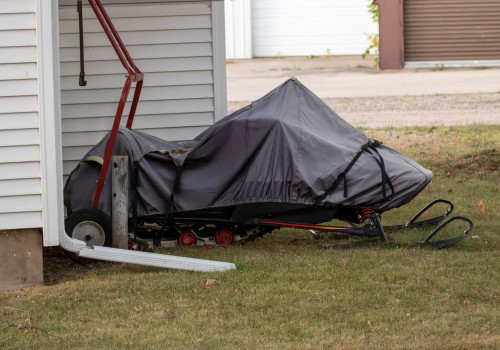
- Covers: Invest in a high-quality cover that is breathable to protect your vehicle from dust and moisture while allowing any trapped moisture to escape.
Conclusion: The Importance of Fuel Stabilizers in Motorcycle and Snowmobile Care
In conclusion, the use of fuel stabilizers is a critical aspect of motorcycle and snowmobile care when preparing these vehicles for long-term storage. As we have discussed, fuel can degrade over time, leading to a host of issues that can affect performance and reliability. When you store your motorcycle or snowmobile without a fuel stabilizer, you risk:- Fuel degradation: Over time, gasoline can break down and form varnish and gum, which can clog fuel lines and carburetors.
- Corrosion: Moisture can accumulate in the fuel tank, leading to rust and corrosion that can damage internal components.
- Starting issues: Old fuel can make it difficult to start your vehicle after a long period of inactivity.
- Extend fuel life: Stabilizers help keep the fuel fresh for months, preventing the breakdown that leads to performance issues.
- Protect against moisture: Many stabilizers contain additives that help absorb moisture, reducing the risk of corrosion.
- Simplify spring preparation: With stabilized fuel, your motorcycle or snowmobile is more likely to start easily when you're ready to ride again.
Remember, proper care today leads to better performance tomorrow.