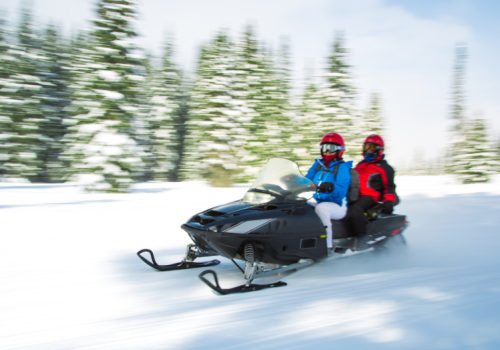
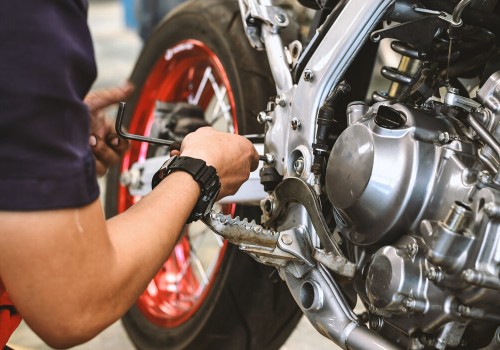
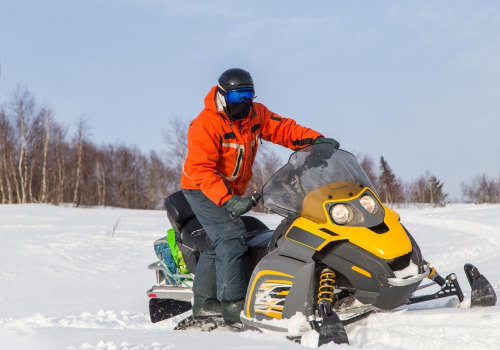
When it comes to motorcycle and snowmobile care, understanding the importance of proper off-season storage cannot be overstated. As the riding season comes to a close, many enthusiasts face the critical task of preparing their vehicles for months of inactivity. Neglecting this essential step can lead to a host of problems, including corrosion, battery failure, and even engine damage. By taking the time to store your motorcycle or snowmobile correctly, you not only protect your investment but also ensure that it remains in peak condition for the next season. Proper off-season care involves more than just parking your vehicle in a garage.
It requires a systematic approach to maintenance that addresses various components, from the fuel system to the tires. For instance, treating your fuel with a stabilizer can prevent it from breaking down and causing clogs in the fuel system. Additionally, cleaning and lubricating moving parts can help fend off rust and deterioration during those long months of dormancy. By implementing these practices, you can significantly extend the lifespan of your motorcycle or snowmobile. Moreover, proper storage not only enhances performance but also contributes to safety.
A well-maintained vehicle is less likely to encounter issues when you finally take it out for a ride. This peace of mind is invaluable for any rider who values both their safety and enjoyment on the road or snow. In the following sections, we will delve deeper into specific storage techniques and maintenance tips that will help you keep your motorcycle or snowmobile in top shape during the off-season.
Preparing Your Motorcycle or Snowmobile for Storage
Properly preparing your motorcycle or snowmobile for storage is crucial to ensure it remains in optimal condition during the off-season. Follow this pre-storage checklist to make sure you cover all necessary steps.- Clean Thoroughly: Start by giving your vehicle a thorough wash.
Remove dirt, grime, and any road salt that may have accumulated. This prevents corrosion and keeps the paint in good condition.
- Inspect and Maintain: Check all fluid levels, including oil, coolant, and brake fluid. Change the oil if it’s due, as old oil can contain contaminants that may harm the engine.
- Tire Care: Inflate tires to the recommended pressure to prevent flat spots. If possible, elevate the vehicle on a stand to relieve pressure on the tires.
- Battery Maintenance: Remove the battery and store it in a cool, dry place.
Consider using a battery maintainer to keep it charged during storage.
- Fuel System Treatment: Fill the gas tank and add a fuel stabilizer to prevent fuel degradation. Run the engine for a few minutes to ensure the stabilizer circulates through the system.
- Cables and Chains: Lubricate cables and chains to prevent rust and ensure smooth operation when you take your vehicle out of storage.
Following these steps will help ensure that your vehicle is ready for action when the season returns.
Choosing the Right Storage Location
When it comes to motorcycle & snowmobile care, choosing the right storage location is crucial for maintaining the condition of your vehicles during the off-season. The decision between indoor and outdoor storage can significantly impact their longevity and performance.Indoor vs Outdoor Storage
Indoor storage is often the preferred choice for many owners due to its numerous benefits:- Protection from the Elements: Indoor storage shields your motorcycle or snowmobile from rain, snow, and UV rays, which can cause paint fading and rust.
- Security: Storing your vehicle indoors reduces the risk of theft and vandalism, providing peace of mind.
- Controlled Environment: Indoor spaces typically offer a stable temperature and humidity level, which helps prevent moisture buildup and corrosion.
- Use a Quality Cover: Invest in a high-quality, breathable cover that protects against moisture while allowing condensation to escape.
- Choose a Shaded Area: If possible, park your vehicle in a shaded spot to minimize sun exposure and temperature fluctuations.
- Regular Maintenance: Check on your motorcycle or snowmobile periodically to ensure that the cover is intact and that no pests have made it their home.
Climate Considerations
The climate in your area plays a significant role in determining the best storage option. In regions with harsh winters, indoor storage is highly recommended to avoid freezing temperatures that can damage batteries and fluids.Conversely, in milder climates, outdoor storage may suffice with proper precautions.Additionally, consider using a dehumidifier or moisture-absorbing products in indoor spaces to combat humidity, especially in damp climates. This will further enhance your motorcycle & snowmobile care routine by preventing mold and mildew growth.Ultimately, selecting the right storage location involves weighing the pros and cons of each option while considering your specific environmental conditions. By taking these factors into account, you can ensure that your motorcycle or snowmobile remains in excellent condition until it's time to hit the road or trails again.
Essential Maintenance Tasks Before Storing
Proper motorcycle & snowmobile care during the off-season begins with essential maintenance tasks that can significantly extend the life of your vehicle. Here are some critical steps to follow:- Oil Change: Before storing your motorcycle or snowmobile, it’s crucial to perform an oil change.
Old oil can contain contaminants that may corrode engine components over time. Use the manufacturer-recommended oil and replace the oil filter to ensure optimal performance when you bring your vehicle out of storage.
- Battery Care: A well-maintained battery is vital for a smooth start when the season returns. Disconnect the battery and clean the terminals to prevent corrosion. If possible, store the battery in a cool, dry place and consider using a battery maintainer to keep it charged throughout the off-season.
- Tire Maintenance: Tires can develop flat spots if left in one position for too long.
To avoid this, inflate your tires to the recommended pressure and consider placing your motorcycle or snowmobile on a stand to relieve weight from the tires. If you’re unable to use a stand, periodically move the vehicle slightly to change its position.
Protecting Your Vehicle from Pests and Elements
When it comes to motorcycle & snowmobile care, protecting your vehicle from pests and environmental elements is crucial during the off-season. Proper storage not only prolongs the life of your vehicle but also ensures it remains in optimal condition for the next riding season.Pest Prevention
Pests such as rodents can cause significant damage to your motorcycle or snowmobile by chewing through wires and insulation.To prevent infestations, consider the following strategies:
- Seal Entry Points: Inspect your storage area for any gaps or holes that pests could use to enter. Seal these openings with caulk or steel wool.
- Use Deterrents: Natural deterrents like peppermint oil or commercial rodent repellents can be effective. Place cotton balls soaked in peppermint oil around the storage area.
- Traps: Set traps around the perimeter of your storage space to catch any intruders before they reach your vehicle.
Weather Protection
Environmental elements such as moisture, dust, and UV rays can also harm your motorcycle or snowmobile. Here are some tips for weather protection:- Choose a Suitable Location: Store your vehicle in a dry, well-ventilated area away from direct sunlight.
A garage or shed is ideal.
- Use a Quality Cover: Invest in a high-quality cover specifically designed for motorcycles and snowmobiles. Look for covers that are waterproof yet breathable to prevent moisture buildup.
- Regular Checks: Periodically check on your stored vehicle to ensure that the cover is intact and that no moisture or pests have infiltrated the storage area.
Regular Checks During Off-Season Storage
Proper motorcycle & snowmobile care during the off-season extends beyond just storage; it involves regular checks to ensure your vehicles remain in optimal condition. Conducting these checks can help you identify potential issues before they escalate, saving you time and money in the long run.Establish a Maintenance Schedule
- Set a specific time each month to inspect your vehicles. Consistency is key to effective maintenance.
- Document each inspection, noting any changes or concerns that arise.
This will help you track the condition of your motorcycle or snowmobile over time.
Vehicle Inspection Tips
- Check Fluid Levels: Regularly inspect oil, coolant, and brake fluid levels. Top them off as necessary to prevent corrosion and ensure smooth operation when the season starts.
- Inspect Tires: Look for any signs of flat spots or damage. Maintaining proper tire pressure is crucial, even during storage.
- Battery Maintenance: Check the battery's charge and clean any corrosion from terminals. Consider using a trickle charger to keep it in good condition.
- Examine Belts and Cables: Look for wear and tear on belts and cables, as these can deteriorate over time.
Replace any that show signs of damage.
- Clean and Protect: Regularly clean your vehicle to remove dirt and grime that can cause rust or corrosion. Apply a protective wax or sealant to painted surfaces.
Preparing for Re-Use: What to Do When Taking Out of Storage
As the off-season comes to an end, it’s crucial to ensure your motorcycle or snowmobile is ready for safe and enjoyable use. Here’s a comprehensive post-storage checklist to guide you through the re-use preparation process.- Visual Inspection: Start with a thorough visual inspection of your vehicle.
Look for any signs of damage, rust, or wear that may have occurred during storage.
- Fluid Levels: Check all fluid levels, including engine oil, coolant, brake fluid, and fuel. Top off or replace fluids as necessary to ensure optimal performance.
- Tires: Inspect the tires for proper inflation and tread wear. If they were deflated during storage, inflate them to the recommended pressure. Look for any cracks or bulges that may indicate damage.
- Batteries: If you removed the battery for storage, reinstall it and check its charge.
Clean any corrosion from the terminals and ensure all connections are secure.
- Brakes: Test the brakes to ensure they are functioning properly. Inspect brake pads and discs for wear and replace them if necessary.
- Fuel System: If you stored your vehicle with fuel in the tank, consider adding a fuel stabilizer to prevent degradation. If the fuel has been sitting for an extended period, it may be wise to drain it and refill with fresh fuel.
- Cables and Chains: Inspect throttle cables, brake cables, and drive chains for any signs of fraying or rust. Lubricate them as needed to ensure smooth operation.
- Lights and Signals: Test all lights, including headlights, taillights, and turn signals.
Replace any burnt-out bulbs to ensure visibility on the road or trail.
Frequently Asked Questions About Motorcycle & Snowmobile Care During Off-Season
When it comes to motorcycle & snowmobile care during the off-season, many enthusiasts have questions about the best practices for storage and maintenance. Here are some frequently asked questions that can help you ensure your vehicles remain in top condition.What is the best way to store my motorcycle or snowmobile?
The ideal storage method involves several key steps:- Clean your vehicle: Thoroughly wash and dry your motorcycle or snowmobile to remove dirt, grime, and salt that can cause corrosion.
- Change the oil: Old oil can contain contaminants that may harm your engine.
Replace it with fresh oil before storage.
- Fuel treatment: Fill the tank and add a fuel stabilizer to prevent the fuel from degrading over time.
- Battery maintenance: Disconnect the battery and store it in a cool, dry place. Consider using a battery maintainer to keep it charged.
- Cover your vehicle: Use a breathable cover to protect against dust and moisture while allowing air circulation.
How often should I check on my stored motorcycle or snowmobile?
It’s advisable to check on your stored vehicle at least once a month. During these checks, look for signs of moisture buildup, pests, or any potential issues that may arise. This proactive approach can help you catch problems early.Can I store my motorcycle or snowmobile outside?
If indoor storage isn’t an option, outdoor storage is possible but requires extra precautions:- Use a high-quality cover: Ensure it is waterproof and breathable to protect against the elements.
- Elevate your vehicle: Use a platform or blocks to keep it off the ground and reduce exposure to moisture.
What maintenance should I perform before taking my motorcycle or snowmobile out of storage?
Before hitting the road or trails again, perform these essential checks:- Tire inspection: Check for proper inflation and any signs of wear.
- Fluid levels: Ensure all fluids are topped off, including coolant and brake fluid.
- Brake functionality: Test brakes to ensure they are responsive and effective.
Conclusion: Key Takeaways for Effective Off-Season Storage
In conclusion, proper motorcycle & snowmobile care during the off-season is crucial for maintaining the longevity and performance of your vehicles.By following the outlined storage techniques, you can ensure that your motorcycle or snowmobile remains in optimal condition until the next riding season.
- Clean Thoroughly: Always start with a thorough cleaning to remove dirt, grime, and any corrosive substances that could damage the surfaces.
- Fuel Management: Use a fuel stabilizer to prevent fuel degradation and keep your engine running smoothly when you bring it out of storage.
- Battery Care: Disconnect and store your battery in a cool, dry place. Consider using a trickle charger to maintain its charge during the off-season.
- Tire Maintenance: Inflate tires to the recommended pressure and consider placing your vehicle on stands to prevent flat spots.
- Covering: Invest in a high-quality cover that protects against dust, moisture, and UV rays while allowing for ventilation.
With these strategies in mind, you can enjoy peace of mind knowing that your motorcycle or snowmobile is well cared for during its downtime.