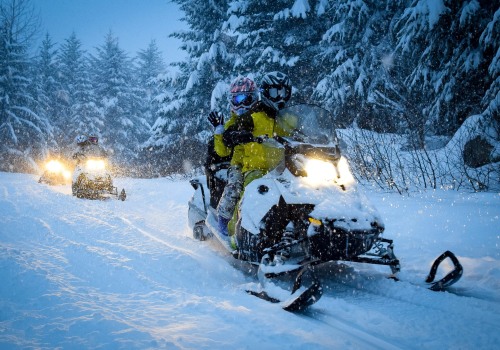
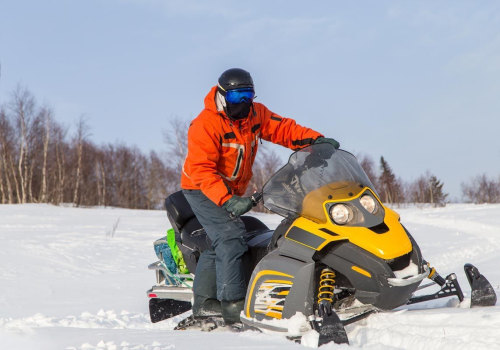
When it comes to motorcycle and snowmobile care, one of the most critical aspects that often gets overlooked is brake maintenance. The brakes are not just a component of your vehicle; they are the lifeline that ensures your safety on the road or trail. Whether you’re navigating winding mountain roads on your motorcycle or gliding through snowy landscapes on your snowmobile, having reliable brakes can mean the difference between a thrilling ride and a dangerous situation. Regular safety checks of your braking system are essential for optimal performance. Over time, brake pads wear down, fluid can become contaminated, and components may corrode, all of which can severely impact braking efficiency.
Understanding how to properly maintain your brakes not only enhances your vehicle's performance but also extends its lifespan. This proactive approach to motorcycle and snowmobile care can save you from costly repairs and ensure that you remain in control during critical moments. Moreover, the importance of brake maintenance goes beyond just functionality; it also plays a significant role in rider confidence. Knowing that your brakes are in top condition allows you to focus on enjoying the ride rather than worrying about potential failures. In this article, we will delve into the essential checks and maintenance practices that every rider should perform to keep their brakes in peak condition, ensuring both safety and performance on every adventure.
Key Components of Motorcycle and Snowmobile Brakes
Understanding the key components of the brake systems in both motorcycles and snowmobiles is essential for effective motorcycle & snowmobile care.These components work together to ensure safe stopping and handling, making regular checks crucial for performance and safety.
- Brake Pads: The brake pads are critical for creating the friction needed to slow down or stop the vehicle. In motorcycles, they are typically made from materials like organic compounds or sintered metals, while snowmobiles may use different formulations suited for cold conditions. Regular inspection for wear and tear is vital.
- Brake Discs (or Rotors): These are the surfaces against which the brake pads press. On motorcycles, they are usually made of steel or carbon composite materials.
Snowmobiles may have different designs, often optimized for icy conditions. Look for warping or scoring on the surface, which can affect braking efficiency.
- Brake Calipers: The caliper houses the brake pads and pistons. It is responsible for applying pressure to the brake pads against the discs. Ensure that the calipers are functioning correctly and that there are no leaks in the hydraulic system.
- Brake Lines: These lines carry brake fluid from the master cylinder to the calipers.
Inspect them for any signs of wear, cracks, or leaks, as compromised lines can lead to brake failure.
- Master Cylinder: This component generates hydraulic pressure when you pull the brake lever or press the pedal. Check for fluid levels and any signs of leakage around the master cylinder.
Visual Inspection: What to Look For
Performing a visual inspection of your motorcycle or snowmobile brakes is crucial for ensuring safety and optimal performance. Regular checks can help identify potential issues before they become serious problems.Here are some key aspects to focus on during your inspection:
- Brake Pads: Examine the brake pads for signs of wear. Look for a thinning pad or any uneven wear patterns. If the pads are less than 1/8 inch thick, it’s time to replace them.
- Brake Discs: Inspect the brake discs for any visible damage such as cracks, warping, or scoring. A smooth surface is essential for effective braking.
- Brake Lines: Check the brake lines for any signs of leaks, cracks, or fraying.
Ensure that the lines are securely attached and free from obstructions.
- Fluid Levels: Verify that the brake fluid levels are within the recommended range. Low fluid levels can indicate a leak or worn brake pads.
- Brake Wear Indicators: Many motorcycles and snowmobiles come equipped with brake wear indicators. These are small grooves or markings on the brake pads that signal when it’s time for replacement. Familiarize yourself with these indicators to ensure timely maintenance.
Regularly performing this visual check not only enhances your safety but also prolongs the lifespan of your braking system.By staying vigilant and addressing any signs of wear or damage promptly, you can ensure that your motorcycle or snowmobile remains in top condition, ready for your next adventure.
Checking Brake Fluid Levels and Quality
Checking the brake fluid levels and quality is a crucial aspect of motorcycle & snowmobile care. Proper brake function is essential for safety, and the brake fluid plays a vital role in this system. Here’s how to ensure your brake fluid is in optimal condition.How to Check Brake Fluid Levels
- Locate the brake fluid reservoir, which is typically found near the handlebars for motorcycles or near the brake assembly for snowmobiles.
- Inspect the fluid level against the markings on the reservoir. It should be between the minimum and maximum lines.
- If the level is low, top it off with the appropriate type of brake fluid as specified in your owner’s manual.
Assessing Brake Fluid Quality
- Color: Fresh brake fluid is usually clear or light amber.
If it appears dark or murky, it may be contaminated and should be replaced.
- Consistency: The fluid should be free of bubbles or particles. Any signs of sediment can indicate moisture contamination.
- Moisture Content: Brake fluid absorbs moisture over time, which can lead to decreased performance. A moisture test kit can help determine if it’s time for a change.
Importance of Regular Checks
Regularly checking your motorcycle brake fluid and snowmobile brake fluid not only ensures safety but also prolongs the life of your braking system. Neglecting this simple maintenance task can lead to brake failure, which poses serious risks while riding.
Make it a habit to inspect your brake fluid during routine maintenance checks or before long rides.In summary, keeping an eye on both the levels and quality of your brake fluid is essential for effective braking performance. By following these guidelines, you can ensure that your motorcycle or snowmobile remains safe and reliable on the road or trail.
Testing Brake Performance: A Step-by-Step Guide
Testing the brake performance of your motorcycle or snowmobile is crucial for ensuring safety on the road or trail. Here’s a step-by-step guide to help you assess the effectiveness of your brakes.- Visual Inspection: Start with a thorough visual inspection of the brake components. Check for any signs of wear or damage, such as:
- Cracked or worn brake pads
- Leaking brake fluid
- Corroded brake lines
- Brake Fluid Check: Ensure that the brake fluid is at the recommended level.
Low fluid can indicate a leak or worn brake pads. If the fluid appears dark or contaminated, it may need to be replaced.
- Brake Lever and Pedal Feel: Squeeze the brake lever (or press the pedal) to assess its feel. It should engage smoothly without excessive play. If it feels spongy or requires more effort than usual, it may indicate air in the lines or a need for adjustment.
- Static Brake Test: With the motorcycle or snowmobile on a flat surface, engage the brakes and try to push the vehicle forward.
If it rolls easily, your brakes may not be functioning properly.
- Dynamic Brake Test: Conduct a controlled test ride in a safe area. Gradually increase your speed and apply the brakes firmly. Pay attention to:
- The responsiveness of the brakes
- Any unusual noises, such as grinding or squeaking
- The vehicle's stability during braking
- Emergency Stop Test: In a safe environment, practice an emergency stop from a moderate speed. This will help you gauge how quickly and effectively your brakes can bring you to a halt.
Always remember to apply brakes gradually rather than abruptly, especially in slippery conditions. Regularly testing your brakes not only enhances your safety but also prolongs the lifespan of your braking system.
Common Brake Issues and Their Solutions
When it comes to motorcycle and snowmobile care, understanding common brake issues is crucial for safety and performance. Here are some prevalent brake problems and their solutions:- Spongy Brake Feel: A spongy brake lever or pedal often indicates air in the brake lines. To resolve this, you should bleed the brakes to remove any trapped air.
Regular maintenance can prevent this issue from arising.
- Squeaking or Grinding Noises: If you hear squeaking or grinding when applying the brakes, it may be a sign of worn brake pads or shoes. Inspect the pads for wear and replace them if they are below the recommended thickness. Additionally, ensure that the brake rotors are not damaged.
- Brake Fluid Leaks: Leaking brake fluid can lead to a loss of braking power. Check for any visible leaks around the brake lines, calipers, and master cylinder.
If you find a leak, it’s essential to replace the damaged component and refill the brake fluid.
- Uneven Brake Wear: If one side of your brakes wears out faster than the other, it could indicate misalignment or issues with the caliper. Regularly inspect your brakes for even wear and adjust or replace components as necessary.
- Brake Lock-Up: If your brakes lock up unexpectedly, it may be due to a malfunctioning master cylinder or a stuck caliper. This issue requires immediate attention; check for any obstructions and ensure that all components are functioning correctly.
When to Seek Professional Help for Brake Issues
While regular maintenance and basic checks can help you identify minor brake issues on your motorcycle or snowmobile, there are certain situations where it’s crucial to seek professional brake service.Ignoring these signs can lead to more severe problems and compromise your safety.
Signs You Should See a Mechanic
- Unusual Noises: If you hear grinding, squeaking, or any other strange sounds when applying the brakes, it’s a clear indication that something is wrong. These noises often suggest worn-out brake pads or issues with the brake calipers.
- Vibrations: Feeling vibrations in the handlebars or foot pegs when braking can indicate warped rotors or other mechanical issues. This is not something that should be ignored.
- Brake Fluid Leaks: If you notice fluid pooling under your motorcycle or snowmobile, it could be a sign of a brake fluid leak. This is a serious issue that requires immediate attention from a professional.
- Poor Braking Performance: If your brakes feel spongy, unresponsive, or require excessive pressure to engage, it’s time to consult a mechanic.
This could indicate air in the brake lines or low brake fluid levels.
- Warning Lights: Many modern motorcycles and snowmobiles come equipped with warning lights for brake issues. If you see this light illuminated on your dashboard, don’t delay in seeking help.
Don’t hesitate to reach out for motorcycle repair or snowmobile repair services when needed; your safety depends on it.
FAQs About Motorcycle and Snowmobile Brake Care
When it comes to motorcycle and snowmobile care, understanding brake maintenance is crucial for safety and performance. Here are some frequently asked questions regarding brake care:What are the signs that my brakes need attention?
Common indicators that your brakes may require maintenance include:- Squeaking or squealing noises: This often indicates worn brake pads.
- Vibration or pulsation: If you feel a vibration when applying the brakes, it could mean warped rotors.
- Longer stopping distances: If you notice it takes longer to stop, your brakes may be losing effectiveness.
- Brake fluid leaks: Any visible fluid around the brake components should be addressed immediately.
How often should I check my brakes?
It is recommended to inspect your brakes at least once a month, especially before long rides or during seasonal changes. Regular checks can help catch issues early and ensure optimal performance.Can I perform brake maintenance myself?
While some basic maintenance tasks, such as checking brake fluid levels and inspecting pads for wear, can be done at home, more complex repairs should be handled by a professional. Always refer to your owner’s manual for specific guidelines.What type of brake fluid should I use?
Always use the type of brake fluid specified in your vehicle's owner manual.Using the wrong type can lead to brake failure. Common types include DOT 3, DOT 4, and DOT 5.1, each with different properties and applications.
How do weather conditions affect brake performance?
Weather can significantly impact brake performance. For instance:- Wet conditions: Brakes may take longer to respond due to water on the rotors.
- Cold temperatures: Brake fluid can thicken, affecting responsiveness.
- Snow and ice: Ensure your snowmobile's brakes are functioning well to prevent accidents on slippery surfaces.
Conclusion: Prioritizing Brake Safety in Your Riding Experience
In conclusion, ensuring the safety and performance of your motorcycle or snowmobile begins with regular brake maintenance. As we have discussed, the brakes are a critical component that directly impacts your ability to control your vehicle and respond to various riding conditions. To recap, here are the essential aspects to prioritize:- Brake Pads: Regularly inspect the thickness of your brake pads.
Worn pads can significantly reduce braking efficiency and increase stopping distances.
- Brake Fluid: Check the level and condition of your brake fluid. Contaminated or low fluid can lead to brake failure.
- Brake Lines: Look for any signs of wear, cracks, or leaks in the brake lines. Damaged lines can compromise your braking system.
- Disc Rotors: Examine the rotors for warping or scoring. Uneven surfaces can lead to poor braking performance and vibrations.
- Calipers: Ensure that calipers are functioning correctly and that they engage smoothly when brakes are applied.
Remember, a well-maintained brake system is essential for a safe and enjoyable riding experience. Don’t wait until it’s too late; prioritize your brake safety today!.