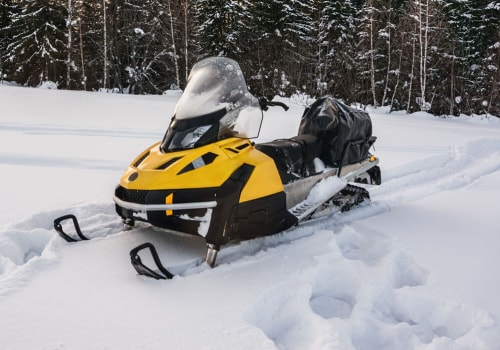
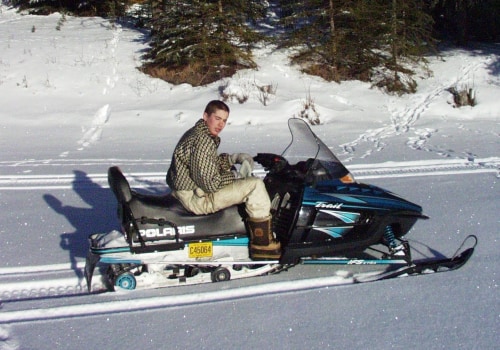
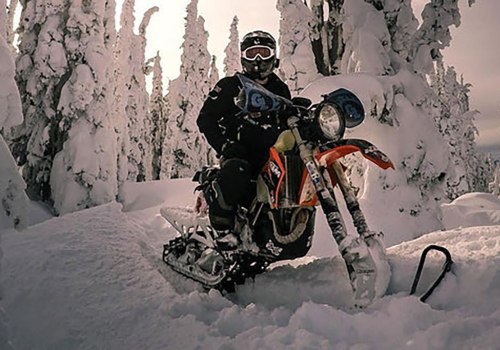
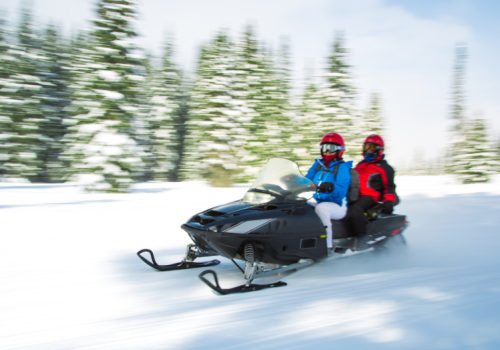
When it comes to enjoying the thrill of the open road or the pristine snow-covered trails, motorcycle and snowmobile care is paramount. Proper maintenance not only enhances the performance of your vehicle but also ensures your safety during long trips. Whether you are planning a cross-country motorcycle adventure or a weekend snowmobiling getaway, understanding the essential maintenance tasks before and after your journey can make all the difference. Before embarking on your trip, conducting a thorough inspection and performing necessary maintenance tasks can prevent unexpected breakdowns and costly repairs. This includes checking fluid levels, inspecting tires, and ensuring that all mechanical components are in optimal condition.
Similarly, after your trip, it’s crucial to address any wear and tear that may have occurred, as well as to clean and store your vehicle properly to prolong its lifespan. In this article, we will delve into specific maintenance tasks tailored for both motorcycles and snowmobiles. By following these guidelines, you can enjoy peace of mind knowing that your vehicle is well-prepared for the adventures ahead and ready to tackle whatever challenges may arise on the road or trail.
Pre-Trip Maintenance Tasks for Motorcycles
Before hitting the road for a long trip on your motorcycle, conducting a thorough pre-trip maintenance check is essential for ensuring both safety and performance. Here’s a detailed motorcycle inspection checklist to guide you through the necessary tasks.- Fluid Levels: Start by checking all fluid levels, including engine oil, brake fluid, coolant, and transmission fluid. Ensure they are at the recommended levels to avoid any mechanical issues during your journey.
- Tire Condition: Inspect your tires for wear and tear.
Look for any cracks, bulges, or embedded objects. Check the tire pressure using a gauge; it should match the manufacturer’s specifications. Proper motorcycle tire care is crucial for handling and safety.
- Brakes: Test both front and rear brakes to ensure they are functioning correctly. Check the brake pads for wear and replace them if they are too thin.
A well-maintained braking system is vital for safe riding.
- Lights and Signals: Verify that all lights, including headlights, taillights, and turn signals, are operational. This not only enhances visibility but also ensures you can communicate effectively with other road users.
- Chain and Sprockets: Inspect the drive chain for proper tension and lubrication. A well-maintained chain will improve performance and extend the life of your motorcycle's drivetrain.
- Battery: Check the battery terminals for corrosion and ensure that the battery is fully charged. A reliable battery is essential for starting your motorcycle without issues.
Taking these steps not only ensures your safety but also prolongs the life of your motorcycle, allowing you to enjoy many more adventures on the open road.
Pre-Trip Maintenance Tasks for Snowmobiles
Before embarking on a long trip with your snowmobile, conducting thorough pre-trip maintenance is essential to ensure safety and performance. Here’s a detailed checklist to guide you through the necessary inspections.- Fuel System Check: Start by inspecting the fuel system. Ensure that you have fresh fuel, as old fuel can lead to engine problems. If your snowmobile has been sitting for a while, consider draining the old fuel and replacing it with new, high-quality fuel.
Additionally, check for any leaks in the fuel lines and ensure that the fuel filter is clean.
- Track and Suspension Inspection: Examine the track for any signs of wear or damage. Look for cracks or missing lugs that could affect traction. Ensure that the tension is properly adjusted according to the manufacturer’s specifications. Inspect the suspension components for any signs of wear or damage, as these are crucial for a smooth ride.
- Safety Equipment: Verify that all safety equipment is in good condition.
This includes checking your helmet, goggles, gloves, and protective clothing. Make sure you have a first aid kit and emergency supplies on board, such as a flashlight, extra batteries, and a tool kit.
- Battery Condition: Check the battery’s charge level and connections. Clean any corrosion from the terminals and ensure that the battery is securely mounted. If your snowmobile has an electric start, make sure the battery is fully charged before your trip.
- Fluids Check: Inspect all fluid levels, including oil, coolant, and brake fluid.
Top off any fluids that are low and replace any that appear dirty or contaminated.
Common Maintenance Mistakes to Avoid
When preparing for a long trip on your motorcycle or snowmobile, avoiding common maintenance mistakes is crucial for ensuring a safe and enjoyable experience. Here are some frequent errors that riders often make:- Neglecting Fluid Checks: One of the most critical maintenance tasks is checking fluids. Many riders forget to inspect engine oil, coolant, and brake fluid levels.
Low fluid levels can lead to severe mechanical issues during your trip.
- Ignoring Tire Condition: Riders often overlook tire pressure and tread depth. Under-inflated or worn tires can compromise handling and safety. Always check your tire pressure and inspect for any signs of damage before hitting the road.
- Skipping Battery Maintenance: A dead battery can ruin your trip before it even starts. Ensure that your battery is fully charged and that terminals are clean and free of corrosion.
If your battery is older than three years, consider testing it or replacing it.
- Overlooking Brake System Checks: Many riders fail to inspect their brake pads and fluid. Worn brake pads or low brake fluid can lead to reduced stopping power, which is especially dangerous on long trips.
- Failing to Clean the Air Filter: A dirty air filter can restrict airflow to the engine, affecting performance and fuel efficiency. Regularly clean or replace your air filter to ensure optimal engine function.
Always perform a thorough inspection of all lights, including headlights, taillights, and turn signals. By being mindful of these motorcycle maintenance mistakes and snowmobile maintenance errors, you can significantly enhance your safety and enjoyment during long trips. Taking the time to address these issues before you set off will help prevent breakdowns and ensure a smoother ride.
Post-Trip Maintenance Tasks for Motorcycles
After a long trip, motorcycle care becomes essential to ensure your bike remains in optimal condition. Performing a thorough post-trip maintenance routine can help identify potential issues and prolong the life of your motorcycle.Cleaning Your Motorcycle
Start with a comprehensive cleaning. Dirt, grime, and road salt can accumulate during your travels, leading to corrosion and wear.Follow these steps for effective cleaning:
- Wash the exterior: Use a gentle motorcycle-specific soap and a soft sponge to avoid scratching the paint.
- Clean the chain: Remove any debris and apply chain cleaner, followed by lubrication to ensure smooth operation.
- Inspect the tires: Check for any signs of wear or damage, and ensure they are properly inflated.
Inspection for Wear and Tear
Once your motorcycle is clean, conduct a detailed inspection:- Check fluid levels: Inspect engine oil, coolant, brake fluid, and transmission fluid. Top off or change fluids as necessary.
- Examine brakes: Look for wear on brake pads and check the brake lines for any leaks or damage.
- Inspect lights and signals: Ensure all lights are functioning correctly to maintain safety on the road.
Proper Storage Techniques
If you plan to store your motorcycle for an extended period after your trip, follow these storage tips:- Choose a dry location: Store your motorcycle in a garage or shed to protect it from the elements.
- Use a cover: Invest in a breathable motorcycle cover to prevent dust accumulation while allowing moisture to escape.
- Disconnect the battery: To prevent drainage, disconnect the battery or use a battery maintainer if you plan on storing it for several months.
Post-Trip Maintenance Tasks for Snowmobiles
After a thrilling day on the snow, it’s essential to perform post-trip maintenance on your snowmobile to ensure its longevity and optimal performance. Here are some key tasks to consider:1.Cleaning Your Snowmobile
- Remove Snow and Ice: Start by removing any accumulated snow and ice from the body, track, and undercarriage. This prevents moisture buildup that can lead to rust and corrosion.
- Wash the Exterior: Use a mild soap and water solution to wash the exterior.
Pay special attention to areas where dirt and grime can accumulate, such as the hood and side panels.
- Dry Thoroughly: After washing, dry your snowmobile completely with a soft cloth to prevent water spots and rust.
2.Inspect for Damage
After cleaning, conduct a thorough inspection of your snowmobile:- Check the Track: Look for any signs of wear or damage on the track. Ensure that there are no missing or damaged lugs.
- Examine the Skis: Inspect the skis for cracks or bends that could affect handling. Replace them if necessary.
- Look for Leaks: Check for any fluid leaks under the snowmobile, which could indicate issues with the oil or coolant systems.
3.Preparing for Off-Season Storage
If you plan to store your snowmobile for an extended period, follow these steps:- Add Fuel Stabilizer: Fill the tank with fresh fuel and add a fuel stabilizer to prevent degradation during storage.
- Change the Oil: Change the oil and filter before storing to remove contaminants that can cause engine damage.
- Store in a Dry Place: Keep your snowmobile in a cool, dry place away from direct sunlight. Consider using a cover to protect it from dust and debris.
Frequently Asked Questions About Motorcycle and Snowmobile Care
When it comes to motorcycle and snowmobile care, many enthusiasts have questions about the best practices for maintenance, especially before and after long trips.Here are some frequently asked questions that can help clarify common concerns.
What are the essential maintenance tasks before a long trip?
- Check fluid levels: Ensure that engine oil, coolant, brake fluid, and fuel are at appropriate levels.
- Inspect tires: Look for proper inflation, tread depth, and any signs of wear or damage.
- Examine brakes: Test both front and rear brakes for responsiveness and check the brake pads for wear.
- Battery health: Ensure the battery is fully charged and terminals are clean and secure.
- Lights and signals: Verify that all lights, including headlights, taillights, and turn signals, are functioning properly.
What should I do after returning from a long trip?
- Clean your vehicle: Remove dirt and debris to prevent corrosion and maintain aesthetics.
- Inspect for damage: Look for any signs of wear or damage that may have occurred during the trip.
- Change oil: If you’ve traveled a significant distance, consider changing the oil to keep the engine running smoothly.
- Check chain or belt: Inspect for tension and lubrication; adjust or replace as necessary.
How often should I perform routine maintenance?
The frequency of routine maintenance can vary based on usage. However, a good rule of thumb is to perform a thorough inspection every 1,000 miles or at least once a season. Always refer to your owner’s manual for specific recommendations related to your model.If you have further questions about motorcycle and snowmobile care, don’t hesitate to consult with a professional mechanic or refer to manufacturer guidelines for detailed maintenance schedules.Conclusion: The Importance of Regular Maintenance for Safe Adventures
In conclusion, the significance of regular maintenance for both motorcycles and snowmobiles cannot be overstated. Engaging in thorough pre- and post-trip maintenance tasks not only enhances the performance of your vehicle but also ensures your safety during your adventures. Before embarking on a long trip, it is crucial to conduct a comprehensive inspection.This includes checking the brakes, tires, and fluids, as well as ensuring that all lights and signals are functioning properly. Neglecting these tasks can lead to unforeseen issues that may compromise your safety on the road or trail. After your journey, taking the time to clean and inspect your motorcycle or snowmobile is equally important. This helps to identify any wear and tear that may have occurred during your trip. Regularly cleaning the vehicle not only maintains its appearance but also prevents corrosion and other damage caused by dirt and moisture. Additionally, keeping a maintenance log can be beneficial.
Documenting each service performed allows you to track the health of your vehicle over time, making it easier to spot potential problems before they escalate. Ultimately, investing time in motorcycle & snowmobile care before and after trips fosters a safer riding experience and prolongs the lifespan of your vehicle. By prioritizing these maintenance tasks, you can enjoy peace of mind knowing that you are well-prepared for any adventure that lies ahead.