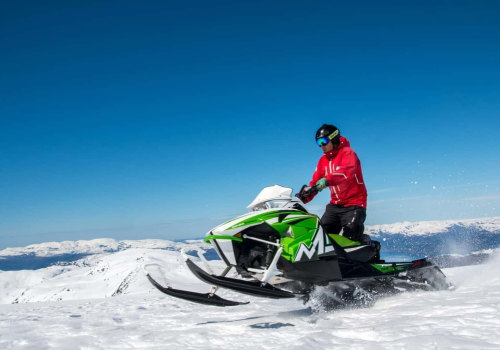
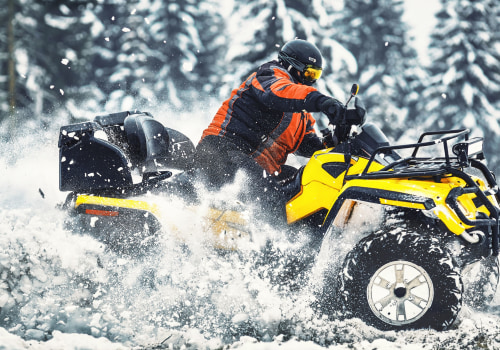
When it comes to motorcycle & snowmobile care, one of the most critical aspects that often gets overlooked is the importance of regular oil changes. Just like any other engine, the performance and longevity of your motorcycle or snowmobile heavily depend on the quality and condition of its oil. Oil serves as the lifeblood of your engine, lubricating moving parts, reducing friction, and helping to dissipate heat. Over time, however, oil can become contaminated with dirt, debris, and combustion byproducts, which can lead to decreased performance and potential engine damage. For motorcycle enthusiasts and snowmobile riders alike, understanding when to change the oil is essential for maintaining optimal performance.
While many manufacturers provide guidelines based on mileage or hours of operation, factors such as riding conditions and frequency of use can significantly influence how often you should perform an oil change. For instance, if you frequently ride in harsh conditions or engage in high-performance activities, you may need to change your oil more frequently than the standard recommendations. Moreover, neglecting regular oil changes can result in costly repairs down the line. A well-maintained engine not only runs smoother but also operates more efficiently, providing better fuel economy and a more enjoyable riding experience. By prioritizing oil changes as part of your motorcycle & snowmobile care routine, you are investing in the health of your vehicle and ensuring that it remains reliable for years to come.
Factors Influencing Oil Change Frequency
When it comes to motorcycle and snowmobile care, understanding the factors that influence oil change frequency is crucial for maintaining optimal performance and longevity.Several key elements can dictate how often you should change the oil in your vehicle.
- Engine Type: The type of engine plays a significant role in determining oil change intervals. For instance, high-performance engines may require more frequent oil changes due to the increased stress and heat they generate. Conversely, smaller, less powerful engines might have longer intervals.
- Riding Conditions: The environment in which you ride can greatly affect oil degradation. If you frequently ride in extreme temperatures, dusty conditions, or engage in heavy loads, your oil may break down faster, necessitating more frequent changes.
For example, riding in stop-and-go traffic or on rough terrain can lead to quicker oil contamination.
- Manufacturer Recommendations: Always refer to the owner’s manual for specific guidelines provided by the manufacturer. They often include recommended oil change intervals based on extensive testing and engineering insights. Following these recommendations is essential for warranty compliance and ensuring your vehicle operates efficiently.
- Oil Quality: The type of oil used also impacts how often it needs to be changed. Synthetic oils generally offer better protection and longer intervals compared to conventional oils.
If you opt for high-quality synthetic oil, you may find that you can extend your oil change intervals without compromising engine health.
Manufacturer Recommendations for Oil Changes
When it comes to motorcycle & snowmobile care, adhering to the manufacturer's recommendations for oil changes is crucial for maintaining optimal performance and longevity. Each manufacturer provides specific guidelines in their respective service manuals, which are tailored to the unique needs of their vehicles.Motorcycle Oil Change Recommendations
- Most motorcycle manufacturers recommend changing the oil every 3,000 to 5,000 miles, depending on the type of oil used and riding conditions.
- For motorcycles that use synthetic oil, the interval can often extend to 7,500 miles or more.
- It’s essential to check the owner's manual for specific recommendations, as some high-performance models may have different requirements.
Snowmobile Oil Change Recommendations
- Snowmobile manufacturers typically suggest changing the oil after every 100 to 200 hours of operation or at least once per season.
- If you frequently ride in harsh conditions or perform aggressive maneuvers, more frequent changes may be necessary.
- Referencing the snowmobile service manual will provide insights into the best practices for your specific model.
Always consult your service manual for the most accurate information regarding your vehicle's maintenance schedule.
General Guidelines for Oil Change Intervals
When it comes to motorcycle & snowmobile care, understanding the appropriate oil change intervals is crucial for maintaining optimal performance and longevity of your vehicle. While specific recommendations can vary based on the make and model, there are general guidelines that can help you establish a reliable oil change schedule.General Oil Change Intervals
- Motorcycles: Most manufacturers recommend changing the oil every 3,000 to 5,000 miles. However, if you frequently ride in harsh conditions—such as extreme temperatures or heavy traffic—you may need to change it more often.
- Snowmobiles: For snowmobiles, the oil change interval is typically every 1,000 to 2,000 miles or at the end of each season. This is particularly important as snowmobiles often operate in colder environments that can affect oil performance.
Time-Based Recommendations
- If you don’t reach the mileage threshold within a year, it’s advisable to change the oil at least once a year.
Oil can degrade over time due to moisture and contaminants, even if the vehicle isn’t used frequently.
- For motorcycles that are stored for winter, consider changing the oil before storage to prevent any buildup of acids and contaminants during the off-season.
Signs That Your Motorcycle or Snowmobile Needs an Oil Change
Recognizing the signs that your motorcycle or snowmobile needs an oil change is crucial for maintaining optimal performance and longevity. Ignoring these indicators can lead to engine damage and costly repairs.Here are some key warning signs to watch for:
- Dark or Dirty Oil: Fresh oil is typically a golden or amber color. If you notice that your oil has turned dark or gritty, it’s a clear sign that it’s time for a change.
- Oil Level Drops: Regularly check your oil level. If you find that it’s consistently low, this could indicate a leak or that the oil is breaking down faster than expected, necessitating a change.
- Unusual Engine Noise: If your engine starts making unusual noises, such as knocking or ticking, it may be due to insufficient lubrication from old oil. This is a critical sign that should not be ignored.
- Increased Exhaust Smoke: Excessive smoke from the exhaust can indicate that the oil is burning off, which often happens when it’s old and degraded.
- Oil Change Light: Many modern motorcycles and snowmobiles come equipped with an oil change indicator light.
If this light illuminates, it’s time to change the oil.
Types of Oil and Their Impact on Change Frequency
When it comes to motorcycle & snowmobile care, understanding the types of oil available is crucial for determining how often you should change it. Different oils have varying properties that can significantly impact engine performance and longevity.Types of Motorcycle Oil
- Conventional Oil: This is the most basic type of oil, derived from crude oil. It typically requires more frequent changes, usually every 3,000 to 5,000 miles, depending on riding conditions.
- Synthetic Oil: Engineered for superior performance, synthetic oils offer better protection and can last longer between changes—often up to 7,500 miles or more.
They are particularly beneficial for high-performance motorcycles.
- Blended Oil: A mix of conventional and synthetic oils, blended oils provide a balance of cost and performance. They generally require changes every 4,000 to 6,000 miles.
Types of Snowmobile Oil
- Mineral Oil: Similar to conventional motorcycle oil, mineral oil is less expensive but may require more frequent changes due to its lower thermal stability.
- Synthetic Oil: Just like in motorcycles, synthetic oils for snowmobiles offer enhanced protection and performance. They can often extend the change interval to 1,500 miles or more under normal conditions.
- Two-Stroke Oil: Specifically designed for two-stroke engines found in many snowmobiles, this oil type is crucial for lubrication and can affect engine life if not changed regularly.
This not only saves money in the long run but also contributes to better engine health.Ultimately, the type of oil you choose should align with your riding habits and the manufacturer's recommendations. Regularly checking your oil level and quality will help ensure optimal performance for your motorcycle or snowmobile.
DIY Oil Change vs. Professional Service: What You Need to Know
When it comes to motorcycle & snowmobile care, one of the most critical maintenance tasks is changing the oil. Riders often face the decision of whether to perform a DIY oil change or to seek out a professional service.Each option has its own set of advantages and disadvantages.
Benefits of DIY Oil Change
- Cost Savings: Performing an oil change yourself can save you money on labor costs. The only expenses you incur are for the oil and filter.
- Convenience: You can choose a time that works best for you, avoiding the need to schedule an appointment.
- Learning Experience: Doing it yourself allows you to gain hands-on experience with your motorcycle or snowmobile, enhancing your understanding of its mechanics.
Drawbacks of DIY Oil Change
- Time-Consuming: Depending on your skill level, a DIY oil change can take longer than expected, especially if you encounter any issues.
- Lack of Expertise: If you're not familiar with the process, you might overlook important steps or use incorrect products, which could harm your vehicle.
- Disposal Issues: Properly disposing of used oil and filters can be a hassle and may require additional effort to find recycling options.
Advantages of Professional Service
- Expertise: Professionals have the training and experience to perform oil changes efficiently and correctly, ensuring that all necessary steps are followed.
- Time-Saving: A professional service can complete the job quickly, allowing you to get back on the road sooner.
- Comprehensive Inspection: Many shops will check other vital components during an oil change, providing peace of mind that your vehicle is in good condition.
Disadvantages of Professional Service
- Higher Costs: Professional services typically charge for labor, which can make this option more expensive than doing it yourself.
- Scheduling Conflicts: You may need to work around the shop's hours and availability, which can be inconvenient.
Frequently Asked Questions About Oil Changes in Motorcycles and Snowmobiles
When it comes to motorcycle and snowmobile care, understanding the nuances of oil changes is crucial for maintaining optimal performance. Here are some frequently asked questions that can help clarify your oil change routine.How often should I change the oil in my motorcycle?
The frequency of oil changes in motorcycles can vary based on several factors, including the type of oil used, riding conditions, and manufacturer recommendations.Generally, it is advisable to change the oil every 3,000 to 5,000 miles or at least once a year. However, if you frequently ride in harsh conditions or use synthetic oil, you may extend this interval.
What are the signs that my motorcycle needs an oil change?
- Dark or dirty oil: If the oil appears dark and gritty, it’s time for a change.
- Engine noise: Increased engine noise can indicate that the oil is no longer providing adequate lubrication.
- Oil level: Regularly check your oil level; if it’s low, it may need a change.
How often should I change the oil in my snowmobile?
For snowmobiles, the recommended oil change interval is typically every 1,000 miles or at the end of each season. However, always refer to your owner’s manual for specific guidelines as different models may have unique requirements.What type of oil should I use for my motorcycle or snowmobile?
Selecting the right type of oil is essential for both motorcycle and snowmobile care. Most manufacturers recommend using synthetic oils due to their superior performance and longevity.Always check your owner’s manual for the recommended viscosity and specifications.
Can I change the oil myself?
Yes, changing the oil yourself can be a straightforward process if you have the right tools and knowledge. Ensure you have a clean workspace and follow proper procedures to avoid contamination. If you're unsure, consult a professional mechanic.By addressing these common questions about oil changes, you can ensure that your motorcycle and snowmobile remain in peak condition for all your adventures.Conclusion: Keeping Your Motorcycle and Snowmobile in Top Shape
In conclusion, maintaining your motorcycle and snowmobile is crucial for ensuring their longevity and optimal performance. Regular oil changes are a fundamental aspect of motorcycle & snowmobile care that should never be overlooked.As discussed, the frequency of oil changes can vary based on several factors, including the type of vehicle, the kind of oil used, and your riding habits.To summarize the key points:
- Frequency of Oil Changes: Generally, it is recommended to change the oil every 3,000 to 5,000 miles for motorcycles and at least once a season for snowmobiles. However, always refer to your owner’s manual for specific guidelines.
- Type of Oil: Synthetic oils may allow for longer intervals between changes compared to conventional oils. Understanding the benefits of each type can help you make an informed decision.
- Riding Conditions: If you frequently ride in harsh conditions or engage in aggressive riding, more frequent oil changes may be necessary to keep your engine running smoothly.
Whether you’re cruising down a highway or navigating snowy trails, knowing that your vehicle is well-maintained will give you peace of mind and enhance your overall riding experience.