When it comes to motorcycle and snowmobile care, one of the most critical yet often overlooked components is the battery. A well-maintained battery not only ensures reliable performance but also extends the lifespan of your vehicle. Understanding the importance of battery maintenance can save you from unexpected breakdowns and costly repairs, allowing you to enjoy your rides without worry. The battery serves as the heart of your motorcycle or snowmobile, powering essential systems such as ignition, lights, and electronic controls. Neglecting its upkeep can lead to diminished performance, reduced efficiency, and ultimately, a dead battery when you need it most.
Regular maintenance practices, such as checking fluid levels, cleaning terminals, and ensuring proper charging, are vital for keeping your battery in optimal condition. Moreover, seasonal changes can significantly impact battery health. For instance, extreme cold can reduce a battery's capacity, making it crucial for snowmobile owners to take extra precautions during winter months. Similarly, motorcycle enthusiasts should be aware that prolonged inactivity can lead to sulfation and other issues that compromise battery life. By prioritizing battery upkeep, you not only enhance the reliability of your vehicle but also contribute to a safer and more enjoyable riding experience.
Common Battery Types in Motorcycles and Snowmobiles
When it comes to motorcycle & snowmobile care, understanding the different types of batteries is crucial for effective maintenance.The two primary types of batteries used in these vehicles are lead-acid and lithium-ion.
Types of Motorcycle Batteries
- Lead-Acid Batteries: These are the most common type found in motorcycles. They are reliable and cost-effective but require regular maintenance, such as checking the electrolyte levels and ensuring they are kept charged.
- Lithium-Ion Batteries: Gaining popularity due to their lightweight and higher energy density, lithium-ion batteries offer longer life spans and faster charging times. However, they can be more expensive and may require specific chargers.
Types of Snowmobile Batteries
- Conventional Lead-Acid Batteries: Similar to motorcycles, these batteries are widely used in snowmobiles. They perform well in cold temperatures but need to be maintained properly to avoid freezing.
- Absorbed Glass Mat (AGM) Batteries: A subtype of lead-acid batteries, AGM batteries are sealed and maintenance-free.
They are more resistant to vibration and can handle extreme conditions, making them ideal for snowmobiles.
- Lithium-Ion Batteries: Just like in motorcycles, lithium-ion options are becoming more common in snowmobiles due to their lightweight nature and efficiency.
Regular Maintenance Practices for Your Battery
Maintaining the battery of your motorcycle or snowmobile is crucial for ensuring optimal performance and longevity.Here are some essential battery maintenance tips that can help you keep your battery in top shape.
- Clean the Terminals: Corrosion can build up on battery terminals, which can hinder performance. Regularly inspect the terminals for any signs of corrosion and clean them using a mixture of baking soda and water. Make sure to disconnect the battery before cleaning to avoid any electrical issues.
- Check Fluid Levels: If your battery is not a sealed type, it’s important to check the electrolyte fluid levels regularly. Ensure that the fluid covers the lead plates inside the battery.
If it’s low, add distilled water to bring it back to the appropriate level.
- Secure Connections: Loose connections can lead to poor performance and even battery failure. Regularly check that all connections are tight and secure. If you notice any frayed wires or damaged connectors, replace them immediately.
- Charge Regularly: Both motorcycles and snowmobiles can experience battery drain, especially during off-seasons. Use a smart charger to maintain the charge without overcharging, which can damage the battery.
- Store Properly: If you’re storing your vehicle for an extended period, remove the battery and store it in a cool, dry place.
This helps prevent sulfation and extends its lifespan.
Charging Your Motorcycle and Snowmobile Battery Correctly
Maintaining the battery of your motorcycle or snowmobile is crucial for ensuring optimal performance and longevity. One of the most important aspects of motorcycle & snowmobile care is understanding how to charge the battery correctly.How to Charge a Motorcycle Battery
When charging a motorcycle battery, it’s essential to use a charger that is compatible with your battery type, whether it’s lead-acid or lithium-ion. Here are some best practices:- Use a Smart Charger: A smart charger automatically adjusts the charging rate and can prevent overcharging, which can damage the battery.
- Check Connections: Ensure that the charger’s connections are secure and free from corrosion before starting the charging process.
- Charge in a Safe Environment: Always charge your battery in a well-ventilated area away from flammable materials.
Charging a Snowmobile Battery
The process for charging a snowmobile battery is similar to that of a motorcycle, but there are specific considerations to keep in mind:- Remove the Battery: If possible, remove the battery from the snowmobile for charging.
This allows for better access and reduces the risk of damage to electrical components.
- Use a Trickle Charger: A trickle charger is ideal for maintaining snowmobile batteries during off-seasons, as it provides a low and steady charge.
- Monitor Temperature: Cold temperatures can affect battery performance. Ensure that the battery is charged in a warmer environment if possible.
Best Practices for Battery Charging
Regardless of whether you’re charging a motorcycle or snowmobile battery, following these best practices can help extend its life:- Avoid Jump-Starting: If possible, avoid jump-starting your vehicle as it can cause voltage spikes that may damage the battery.
- Regular Maintenance: Regularly check your battery’s fluid levels (for lead-acid batteries) and clean terminals to ensure optimal performance.
- Charge Regularly: If you don’t use your motorcycle or snowmobile frequently, consider charging the battery every few weeks to prevent it from discharging completely.
Storing Your Motorcycle and Snowmobile During Off-Season
Properly storing your motorcycle and snowmobile during the off-season is crucial for maintaining battery health and ensuring they are ready for action when the season returns. Here are some essential tips to consider:Off-Season Storage Tips
- Clean Your Vehicle: Before storing, thoroughly clean your motorcycle or snowmobile to remove dirt, grime, and any corrosive substances that could damage the battery and other components.
- Choose a Suitable Location: Store your vehicle in a cool, dry place away from direct sunlight. A garage or shed is ideal, as it protects against temperature fluctuations and moisture.
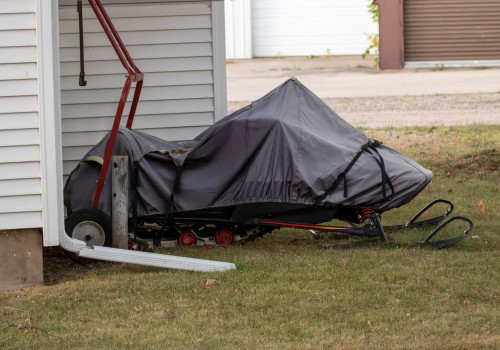
- Cover Your Vehicle: Use a breathable cover to protect your motorcycle or snowmobile from dust and debris while allowing moisture to escape.
Winterizing Motorcycle Battery
- Disconnect the Battery: Start by disconnecting the battery terminals.
Always remove the negative terminal first to prevent any electrical shorts.
- Charge the Battery: Fully charge your motorcycle battery before storage. A fully charged battery is less likely to freeze and will maintain its health better during the off-season.
- Store in a Warm Place: If possible, store the battery indoors where temperatures remain stable. Avoid leaving it in extremely cold conditions, as this can lead to permanent damage.
Snowmobile Battery Storage Advice
- Check Fluid Levels: Ensure that the electrolyte levels in your snowmobile battery are adequate. Top off with distilled water if necessary.
- Use a Battery Maintainer: Consider using a smart battery maintainer or trickle charger.
This device keeps the battery at an optimal charge level without overcharging.
- Inspect Regularly: Periodically check the battery during storage for any signs of corrosion or leakage. Address any issues immediately to prevent further damage.
Signs Your Battery Needs Replacement
Recognizing the signs that your motorcycle or snowmobile battery is failing can save you from unexpected breakdowns and costly repairs. Here are some key indicators to watch for:- Slow Engine Crank: If you notice that your engine takes longer to start than usual, it could be a sign that the battery is losing its charge. A healthy battery should provide a quick and strong crank.
- Dim Lights: Dimming headlights or dashboard lights when starting your vehicle can indicate a weak battery.
If the lights brighten when the engine is running, it may be time to check the battery's health.
- Corrosion: Inspect the battery terminals for any signs of corrosion, which appears as a white, ashy substance. Corrosion can hinder the battery's ability to deliver power effectively.
- Age of the Battery: Most motorcycle and snowmobile batteries have a lifespan of about 3 to 5 years. If your battery is approaching this age, consider having it tested or replaced, even if it seems to be functioning well.
- Frequent Jump Starts: If you find yourself needing to jump-start your vehicle regularly, this is a clear sign that your battery may be failing and should be replaced.
- Swelling or Bulging: A swollen battery case can indicate internal damage or overheating. If you notice any physical deformities in the battery, it’s crucial to replace it immediately.
They can perform tests to determine the health of your battery and recommend whether a replacement is necessary.
Frequently Asked Questions About Motorcycle and Snowmobile Battery Care
Maintaining the battery of your motorcycle or snowmobile is crucial for optimal performance and longevity. Here are some frequently asked questions that can help you understand battery care better.What are the signs of a failing battery?
Common indicators of a failing battery include:- Slow engine cranking: If your engine takes longer to start, it may be a sign that the battery is losing its charge.
- Corrosion: Look for white, ashy deposits around the terminals, which can hinder electrical flow.
- Dim lights: If your headlights or dashboard lights appear dimmer than usual, it could indicate a weak battery.
How often should I check my battery?
It’s advisable to check your motorcycle or snowmobile battery at least once a month. Regular inspections can help you catch potential issues early. Pay attention to:- Fluid levels (for non-sealed batteries)
- Terminal connections
- Overall cleanliness of the battery
Can I jump-start my motorcycle or snowmobile?
Yes, you can jump-start both motorcycles and snowmobiles, but it’s essential to follow proper procedures:- Ensure both vehicles are turned off before connecting cables.
- Connect the positive terminal of the dead battery to the positive terminal of the good battery.
- Connect the negative terminal of the good battery to a grounded metal surface on the dead vehicle.
- Start the working vehicle and then attempt to start the dead one.
What is the best way to store my battery during off-seasons?
If you’re storing your motorcycle or snowmobile for an extended period, follow these steps:- Charge it fully: Ensure your battery is fully charged before storage.
- Disconnect it: Remove the battery from the vehicle to prevent parasitic drain.
- Store in a cool, dry place: Keep it in an environment that avoids extreme temperatures.
Conclusion: Key Takeaways for Battery Maintenance Success
In conclusion, maintaining the battery of your motorcycle or snowmobile is crucial for ensuring optimal performance and longevity.By following a few key practices, you can significantly enhance the lifespan of your battery and avoid unexpected failures.
- Regular Inspections: Make it a habit to check your battery regularly for any signs of corrosion, leaks, or damage. This proactive approach can help you catch potential issues before they escalate.
- Proper Charging: Always use the correct charger for your battery type. Overcharging or undercharging can lead to reduced capacity and lifespan. Consider investing in a smart charger that automatically adjusts the charge based on the battery's needs.
- Clean Connections: Ensure that the battery terminals are clean and free from corrosion.
Use a mixture of baking soda and water to clean any buildup, and apply a thin layer of petroleum jelly to protect against future corrosion.
- Storage Practices: If you plan to store your motorcycle or snowmobile for an extended period, remove the battery and store it in a cool, dry place. A fully charged battery is less likely to freeze and will maintain its health better during storage.
- Temperature Awareness: Be mindful of temperature extremes. Batteries can lose their charge more quickly in cold weather, so consider using a battery maintainer during winter months.