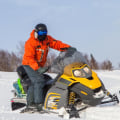
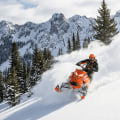
When it comes to enjoying the thrill of the open road or the pristine snow-covered trails, motorcycle and snowmobile care is paramount. Regular maintenance not only enhances performance but also ensures safety, longevity, and reliability of your vehicles. Just like any other machine, motorcycles and snowmobiles require consistent attention to function optimally. Neglecting these essential tasks can lead to costly repairs and potentially dangerous situations on the road or trail. Understanding the importance of maintenance is crucial for every rider and enthusiast.
For motorcycles, routine checks on oil levels, tire pressure, and brake functionality can make a significant difference in your riding experience. Similarly, snowmobiles demand specific care, such as inspecting the track and ensuring that the fuel system is clean and functioning properly. By prioritizing these maintenance tasks, you not only protect your investment but also enhance your enjoyment of these exhilarating machines. Moreover, regular maintenance fosters a deeper connection between you and your vehicle. It allows you to become familiar with its components and performance characteristics, leading to a more intuitive riding experience.
Whether you're a seasoned rider or a newcomer to the world of two-wheeled or snow-covered adventures, understanding motorcycle and snowmobile care is essential for maximizing both safety and enjoyment.
Regular Inspection and Maintenance Checks
Regular inspections and maintenance checks are crucial for ensuring the safety and performance of your motorcycle or snowmobile. These routine evaluations help identify potential issues before they escalate into costly repairs or dangerous situations on the road or trail.Motorcycle Inspection
- Tires: Check for proper inflation, tread depth, and any signs of wear or damage. Tires are your only contact with the ground, making their condition vital for safety.
- Brakes: Inspect brake pads and discs for wear. Ensure that the brake fluid is at the correct level and free from contamination.
- Lights: Test all lights, including headlights, taillights, and turn signals.
Visibility is key for safe riding, especially at night.
- Chain and Sprockets: Look for signs of wear on the chain and sprockets. Lubricate the chain regularly to ensure smooth operation.
- Fluid Levels: Regularly check engine oil, coolant, and other essential fluids to maintain optimal performance.
Snowmobile Inspection
- Track Condition: Inspect the track for any tears or damage. A well-maintained track ensures better traction and control on snow.
- Ski Alignment: Ensure that the skis are properly aligned and free from damage. Misalignment can affect handling and stability.
- Batteries: Check battery connections and charge levels.
Cold weather can significantly impact battery performance.
- Fuel System: Inspect fuel lines for leaks and ensure that fuel is fresh to prevent engine issues during use.
- Cables and Belts: Examine throttle cables and drive belts for wear. Replace any frayed or damaged components to avoid breakdowns.
Engine Maintenance: Oil Changes and More
Proper engine maintenance is crucial for the longevity and performance of both motorcycles and snowmobiles. One of the most important tasks in this regard is performing regular oil changes.Whether you own a motorcycle or a snowmobile, changing the oil at recommended intervals helps to keep the engine running smoothly and efficiently.
Motorcycle Oil Change
- Check the owner’s manual for the recommended oil change interval, which typically ranges from 3,000 to 5,000 miles.
- Use high-quality oil that meets the specifications for your motorcycle model. Synthetic oils often provide better protection and performance.
- Replace the oil filter during each oil change to ensure that contaminants do not circulate back into the engine.
- After draining the old oil, allow sufficient time for all of it to exit before adding new oil.
Snowmobile Oil Change
- For snowmobiles, oil changes are typically recommended after every 1,000 miles or at the end of each season.
- Use a two-stroke or four-stroke oil as specified by your snowmobile’s manufacturer.
- Inspect and replace the oil filter if applicable, as this can help maintain optimal engine performance.
- Always check the oil level before each ride to ensure that your engine is adequately lubricated.
- Coolant: Ensure that your motorcycle or snowmobile has adequate coolant levels to prevent overheating.
- Brake Fluid: Regularly check brake fluid levels and replace them as needed to maintain braking efficiency.
- Transmission Fluid: For motorcycles with a separate transmission system, check and change the transmission fluid according to manufacturer guidelines.
Tire Care: Pressure, Tread, and Alignment
Proper tire care is crucial for both motorcycles and snowmobiles, as it directly impacts safety, performance, and longevity. Regularly checking tire pressure, tread depth, and alignment can help ensure a smooth ride and prevent accidents.Checking Tire Pressure
Maintaining the correct tire pressure is essential for optimal handling and fuel efficiency.For motorcycles, refer to the manufacturer’s specifications, usually found on a sticker near the bike's frame or in the owner’s manual. Snowmobiles also have recommended pressure levels that should be adhered to for safe operation.
- Use a reliable tire pressure gauge to check the pressure when the tires are cold.
- Adjust the pressure as needed, inflating or deflating to meet the recommended levels.
- Check tire pressure at least once a month and before long trips.
Tread Depth Maintenance
The tread depth of your tires is another critical factor in ensuring safety. Insufficient tread can lead to poor traction, especially in wet or icy conditions. For motorcycles, a tread depth of at least 1/16 inch is recommended, while snowmobiles may require deeper treads depending on the terrain.- Use a tread depth gauge or a simple penny test: insert a penny into the tread; if you can see all of Lincoln's head, it's time for new tires.
- Inspect for uneven wear patterns which may indicate alignment issues.
Tire Alignment
Tire alignment affects how your vehicle handles and wears its tires.Misalignment can lead to uneven tire wear and can compromise safety. For motorcycles, check alignment by observing how straight the bike tracks when riding. Snowmobiles should also be inspected for proper alignment after any significant impact or after extensive use.
- If you notice your motorcycle pulling to one side or uneven tire wear, consider having a professional alignment check.
- For snowmobiles, ensure that both skis are aligned properly to maintain control on snowy surfaces.
Brake System Maintenance: Ensuring Safety on the Road and Trails
Maintaining the brake system of your motorcycle or snowmobile is crucial for ensuring safety on the road and trails. A well-functioning brake system not only enhances performance but also significantly reduces the risk of accidents.Regular inspections and timely replacements are essential components of motorcycle & snowmobile care.
Motorcycle Brake Maintenance
- Inspect Brake Pads: Check the thickness of your brake pads regularly. Worn-out pads can lead to decreased stopping power and should be replaced immediately.
- Fluid Levels: Ensure that the brake fluid is at the recommended level. Low fluid can indicate a leak or worn components.
- Brake Lines: Inspect brake lines for any signs of wear, cracks, or leaks. Damaged lines can compromise braking efficiency.
- Test Brake Functionality: Regularly test your brakes in a safe environment to ensure they respond promptly and effectively.
Snowmobile Brake Maintenance
- Check Brake Pads: Similar to motorcycles, snowmobiles require regular checks on brake pad thickness.
Replace them if they are worn down.
- Inspect Brake Cables: Ensure that the brake cables are not frayed or damaged, as this can affect braking performance.
- Brake Fluid Maintenance: For liquid-cooled models, check the brake fluid level and replace it according to the manufacturer’s recommendations.
- Test Braking System: Before hitting the trails, always test your brakes to confirm they are functioning correctly.
Regular Brake System Checks
A comprehensive inspection of your brake system should be part of your routine maintenance schedule. This includes checking for any unusual noises, vibrations, or changes in braking response. Addressing these issues early can prevent more significant problems down the line and ensure that you remain safe while enjoying your rides.In conclusion, whether you ride a motorcycle or operate a snowmobile, prioritizing brake system maintenance is essential for safety. By following these guidelines and conducting regular checks, you can enhance your vehicle's performance and enjoy peace of mind on every journey.
Battery Care: Keeping Your Ride Powered Up
Proper battery care is crucial for ensuring that your motorcycle or snowmobile remains reliable and ready for action.Neglecting battery maintenance can lead to unexpected failures, especially during critical moments. Here are some essential practices to keep your ride powered up.
Cleaning Battery Terminals
Corrosion can build up on battery terminals, which can hinder performance. To clean the terminals:- Disconnect the battery cables, starting with the negative terminal.
- Use a mixture of baking soda and water to scrub away corrosion.
- Rinse with clean water and dry thoroughly before reconnecting.
Checking Charge Levels
Regularly checking the charge level of your battery is vital for optimal performance. Here’s how to do it:- Use a multimeter to measure the voltage; a healthy battery should read around 12.6 volts or higher when fully charged.
- If the voltage is low, consider using a smart charger to bring it back to full capacity.
Proper Storage
If you plan to store your motorcycle or snowmobile for an extended period, follow these steps:- Fully charge the battery before storage.
- Disconnect the battery and store it in a cool, dry place away from direct sunlight.
- Consider using a battery maintainer to keep it charged during long periods of inactivity.
Regular attention to these details not only enhances performance but also contributes to overall safety on the road or trail.
Cleaning and Protecting Your Motorcycle or Snowmobile
Maintaining the appearance and integrity of your motorcycle or snowmobile is crucial for both aesthetics and longevity. Regular cleaning and protection can prevent dirt buildup and corrosion, ensuring your vehicle remains in top condition.Motorcycle Cleaning Tips
- Wash Regularly: Use a gentle soap specifically designed for motorcycles to avoid damaging the paint. Rinse thoroughly to remove all soap residue.
- Use the Right Tools: Soft sponges and microfiber cloths are ideal for cleaning without scratching surfaces. Avoid using abrasive materials.
- Pay Attention to the Chain: Clean and lubricate the chain regularly to ensure smooth operation.
A dirty chain can lead to poor performance and increased wear.
- Protect Chrome and Metal Parts: Apply a chrome polish or metal protectant to prevent rust and maintain shine.
Snowmobile Cleaning Tips
- Remove Snow and Ice: After each ride, remove any snow or ice buildup from the body and undercarriage to prevent corrosion.
- Use a Snowmobile-Specific Cleaner: These cleaners are formulated to break down ice and snow without harming the finish of your vehicle.
- Inspect the Skis: Clean the skis thoroughly, as dirt can affect handling. Check for any damage that may need repair.
Vehicle Protection Methods
- Waxing: Regularly waxing your motorcycle or snowmobile creates a protective barrier against dirt, moisture, and UV rays.
- Covers: Invest in a high-quality cover to shield your vehicle from environmental elements when not in use.
- Storage Solutions: Store your motorcycle or snowmobile in a dry, temperature-controlled environment to minimize exposure to humidity and temperature fluctuations.
Seasonal Maintenance: Preparing for Riding or Storage
As the seasons change, motorcycle & snowmobile care becomes crucial to ensure optimal performance and longevity. Proper seasonal maintenance not only prepares your vehicle for riding but also protects it during storage.Winterization for Motorcycles
Before storing your motorcycle for the winter, follow these essential steps:- Clean and Wax: Thoroughly wash your motorcycle to remove dirt and grime.
Apply a protective wax to shield the paint from moisture and corrosion.
- Fuel Stabilization: Fill the gas tank and add a fuel stabilizer to prevent the fuel from degrading. Run the engine for a few minutes to circulate the stabilizer.
- Battery Maintenance: Disconnect the battery and store it in a cool, dry place. Consider using a battery maintainer to keep it charged throughout the winter.
- Tire Care: Inflate tires to the recommended pressure and consider placing your motorcycle on a stand to prevent flat spots.
Winterization for Snowmobiles
Snowmobiles require specific attention before being stored away:- Fuel System Treatment: Similar to motorcycles, fill the tank and add a fuel stabilizer. Run the engine to ensure the stabilizer reaches all parts of the fuel system.
- Cooling System Check: Ensure that the cooling system is filled with antifreeze to prevent freezing and damage during storage.
- Track and Suspension Inspection: Inspect the track for wear and ensure that suspension components are functioning properly.
Lubricate moving parts as needed.
- Covers and Storage: Use a breathable cover to protect your snowmobile from dust and moisture while allowing air circulation.
Pre-Ride Checks for Spring
As you prepare to ride again in spring, conduct these pre-ride checks:- Fluid Levels: Check oil, coolant, and brake fluid levels, topping off as necessary.
- Tire Inspection: Inspect tires for wear and proper inflation before hitting the road or trails.
- Brake Functionality: Test brakes to ensure they are responsive and effective.
Common FAQs About Motorcycle and Snowmobile Care
When it comes to motorcycle & snowmobile care, many enthusiasts have questions about the best practices for maintenance. Here are some common FAQs that can help clarify essential tasks.What are the basic maintenance tasks for motorcycles?
- Oil Changes: Regular oil changes are crucial for engine health. Check your owner's manual for recommended intervals.
- Tire Maintenance: Inspect tire pressure and tread depth frequently. Properly inflated tires enhance safety and performance.
- Brake Checks: Ensure that brake pads and fluid levels are adequate.
This is vital for safe riding.
- Chain Maintenance: Clean and lubricate the chain regularly to ensure smooth operation and longevity.
What should I know about snowmobile maintenance?
- Fuel System Care: Use fresh fuel and consider adding a fuel stabilizer if storing your snowmobile for an extended period.
- Belt Inspection: Check the drive belt for wear and tear, as a damaged belt can lead to performance issues.
- Cooling System Checks: Ensure that the coolant is at the proper level and free of contaminants to prevent overheating.
- Track and Suspension Maintenance: Regularly inspect the track for damage and ensure that the suspension components are functioning correctly.
How often should I perform maintenance on my motorcycle or snowmobile?
The frequency of maintenance tasks can vary based on usage, but a good rule of thumb is to perform a thorough inspection at least once a month. Additionally, after every significant ride or before the start of a new season, it's wise to conduct a detailed check-up to ensure everything is in optimal condition.By addressing these common questions, you can enhance your understanding of motorcycle & snowmobile care, ensuring that your vehicles remain safe and reliable for all your adventures.Conclusion: Key Takeaways for Effective Motorcycle and Snowmobile Maintenance
In conclusion, maintaining your motorcycle and snowmobile is crucial for ensuring their longevity and optimal performance. By adhering to a regular maintenance schedule, you can prevent costly repairs and enhance your riding experience. Here are the key takeaways for effective motorcycle & snowmobile care:- Regular Inspections: Conduct thorough inspections of your vehicle before each ride.
Check the brakes, tires, lights, and fluid levels to ensure everything is functioning properly.
- Fluid Changes: Regularly change the oil and coolant as per the manufacturer’s recommendations. Clean fluids are essential for engine health and performance.
- Tire Maintenance: Keep an eye on tire pressure and tread depth. Properly inflated tires improve handling and safety, while adequate tread ensures traction on various surfaces.
- Battery Care: Inspect the battery regularly for corrosion and ensure it is charged. A well-maintained battery is vital for reliable starts, especially in cold weather.
- Chain and Belt Maintenance: For motorcycles, keep the chain lubricated and properly adjusted.
Snowmobiles often use belts that should be checked for wear and replaced as needed.
- Storage Practices: When not in use, store your motorcycle or snowmobile in a dry, cool place. Use covers to protect them from dust and moisture.